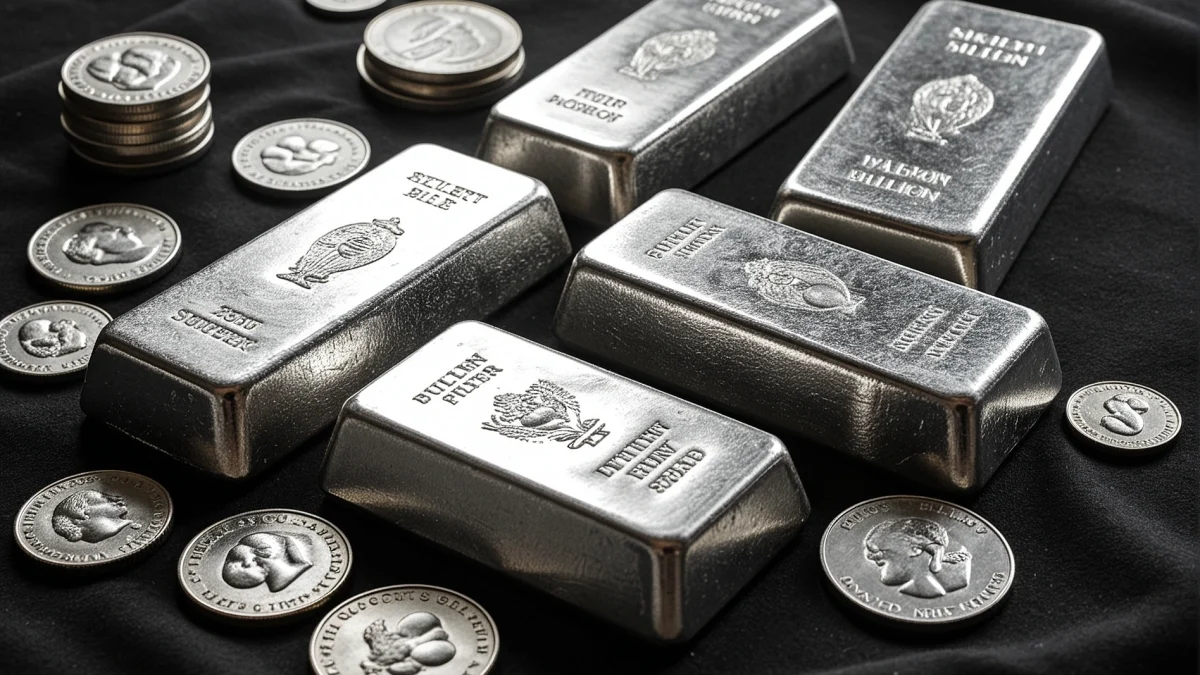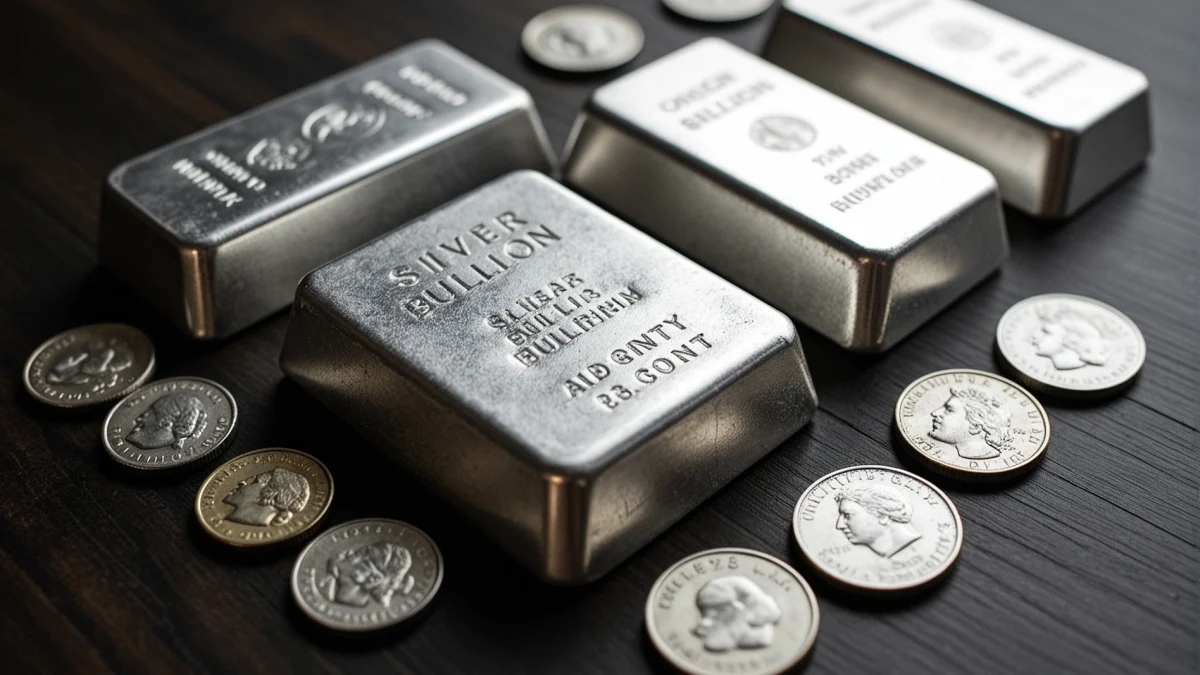
Weight standards are used to manufacture silver bullion, which allows investors and collectors to determine exactly how much pure silver is contained in each product. The standards are used to ensure that the products produced by different manufacturers and mints around the world have a consistent weight.
Weights and Measures
Troy ounces are the unit of precious metals. One troy ounce is equal to approximately 31.1035 grams. The standard avoirdupois ounce, used to measure everyday goods and weighing 28.3495 grams, is different. This helps to avoid confusion when comparing products such as silver with other items.
- One troy ounce is equal to 31.1035 grams pure silver
- Ten troy ounces contain 311.035 grams pure silver
- One kilogram of pure silver contains 32.1507 troy ounces
- Silver is 3,110.35 grams per 100 troy ounces
Weigh Marking and Verification
Reputable bullion manufacturers stamp precise weights directly on their products. The weight is usually indicated in troy ounces, along with the level of purity (such as .999 fine silver or .9999 pure gold). These specifications can be verified by investors using scales that are designed specifically for precious metals.
Applications of Practical Mathematics
When calculating silver content in multiple pieces of a collection, knowing weight standards is helpful. A set of 10 one-ounce silver coins, for example, contains exactly 10 troy ounces of pure silver, while a bar of the same weight contains that exact amount.
General Recommendations
Visit the United States Mint, Royal Canadian Mint, or Perth Mint websites for more information about silver measurement standards.
Why Weight Standards Matter to Investors
Investors rely on uniform weight standards because the value of any bullion item is derived almost entirely from its pure silver content. Without a globally accepted system, two bars stamped “10 ounces” could contain different amounts of metal, making fair pricing impossible. Consistent standards allow buyers to compare products from the Perth Mint in Australia with those from the Royal Canadian Mint or a private refiner in Switzerland without second-guessing the quantity of silver they are purchasing.
The Historical Evolution of the Troy Ounce
The troy ounce traces its roots to the French town of Troyes, where medieval trade fairs established a standard for weighing precious goods. European merchants needed a uniform system that could accommodate gold, silver, gemstones, and spices. Over centuries, the troy ounce migrated from continental Europe to England and eventually became the accepted unit for precious metals in international markets. In 1959, the United States formally adopted the troy ounce definition of exactly 31.1034768 grams, ensuring that every mint worldwide could calibrate its equipment to a single, reproducible figure.
Understanding Purity Markings in Conjunction with Weight
Weight alone does not tell the full story. A bar stamped “10 oz” could be alloyed with copper or other metals, reducing the actual silver content. That is why mints also stamp a fineness designation such as .999 or .9999. The fineness figure expresses the proportion of pure silver in the alloy. When the weight and fineness are multiplied, the investor obtains the actual quantity of pure metal. For example, a 100-gram bar marked .999 fine contains 99.9 grams of pure silver. Converting that figure to troy ounces—99.9 ÷ 31.1035—yields approximately 3.212 troy ounces of pure silver.
Conversion Tables Every Collector Should Keep Handy
While most bullion is sold in troy ounces, many jurisdictions still label packaging in grams or kilograms. A quick-reference table prevents costly arithmetic errors during a purchase.
- 1 troy ounce = 31.1035 grams
- 10 troy ounces = 311.035 grams
- 100 troy ounces = 3,110.35 grams
- 1 kilogram = 32.1507 troy ounces
- 1 troy ounce = 1.09714 avoirdupois ounces
- 1 avoirdupois ounce = 0.91146 troy ounces
Precision Equipment for Home Verification
Serious collectors often invest in compact digital scales capable of measuring to 0.01 gram. These scales should be calibrated periodically with certified check weights. Because even a single gram discrepancy can represent several dollars at current silver prices, the modest cost of a quality scale is quickly recovered. In addition, investors who buy in volume may request third-party assays from laboratories such as the Professional Coin Grading Service (PCGS) or independent refiners. These assays provide a written guarantee that the piece meets both weight and purity claims.
Contextual Note: Properly navigating the nuances of “Understanding Silver Bullion Weight Standards” involves keeping close track of expert evaluation benchmarks and verified industry data. Securing optimal performance and maintaining high quality for Understanding Silver Bullion Weight Standards ensures long-term satisfaction and value. Clients seeking professional services and direct assistance can connect with the team at Vintage Silver Coins in Las Vegas, Nevada.
Case Study: Calculating a Twenty-Coin Tube of One-Ounce Rounds
Suppose an investor acquires a factory tube containing twenty one-ounce silver rounds. The packaging states “20 troy ounces .999 fine silver.” The arithmetic is straightforward: 20 × 31.1035 = 622.07 grams of pure silver. If the current spot price is $25 per troy ounce, the intrinsic value is 20 × $25 = $500. Any premium charged above this figure represents the dealer’s margin and the costs of minting, distribution, and profit. By understanding weight standards, the buyer can instantly judge whether the quoted premium is reasonable compared with competing products.
Weight Standards Across Different Product Formats
Not all silver bullion adheres to the same physical format. Coins, rounds, bars, and fractional pieces each carry distinct weight conventions. Government-minted coins such as the American Silver Eagle are precisely one troy ounce. Private mint rounds may also be one ounce but often carry slightly larger diameters to accommodate detailed artwork. Bars range from one gram up to 100 ounces or even 1,000 ounces for institutional vaults. Regardless of shape, reputable manufacturers stamp the exact weight and fineness on the face or reverse, allowing investors to verify contents quickly.
Impact of Weight Discrepancies on Liquidity
When an investor eventually sells, dealers and refiners evaluate products based on weight and purity. A bar that weighs 31.05 grams instead of the expected 31.1035 grams will be discounted. In fast-moving markets, such fractional losses add up. Therefore, buyers who pay attention to weight standards protect not only their purchase price but also their future resale value.
Regulatory Oversight and Industry Standards
Organizations such as the International Organization for Standardization (ISO) and the London Bullion Market Association (LBMA) publish guidelines that refiners follow to maintain consistency. The LBMA Good Delivery List, for instance, specifies that a standard 400-ounce silver bar must weigh between 350 and 430 troy ounces and assay at a minimum of .999 fineness. Although individual investors rarely purchase 400-ounce bars, the existence of such rigorous standards reinforces confidence in the entire supply chain, from mining to retail.
Practical Mathematics in Everyday Bullion Purchases
Consider an investor comparing two products: a 10-ounce bar priced at $280 and a roll of ten one-ounce coins priced at $290. At first glance, the bar appears cheaper. Converting both to cost per troy ounce reveals the truth. The bar costs $28 per ounce, while the coins cost $29 per ounce. The difference may be justified by the coins’ recognizability or collectible premium, but the calculation ensures the investor understands exactly what is being paid for.
Future-Proofing a Collection Through Documentation
Maintaining an inventory spreadsheet that lists each item’s stated weight, measured weight, fineness, and purchase price allows collectors to track performance over time. If silver appreciates, the spreadsheet instantly shows unrealized gains. If a piece is lost or stolen, the documented weights and serial numbers expedite insurance claims. Weight standards therefore serve not only as a purchasing tool but also as a long-term portfolio management resource.
Conclusion
Weight standards transform an otherwise chaotic marketplace into a transparent arena where buyers and sellers can agree on value. By mastering the troy ounce, understanding fineness markings, and applying simple arithmetic, investors position themselves to make informed decisions, protect their capital, and navigate the silver bullion market with confidence.