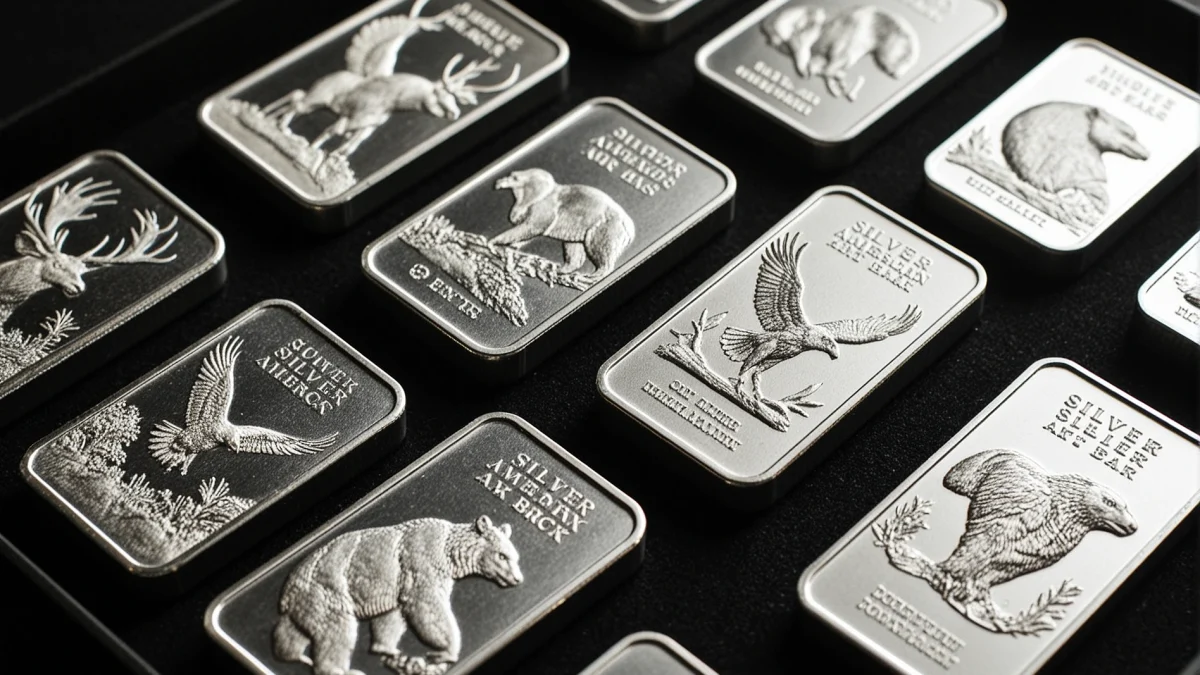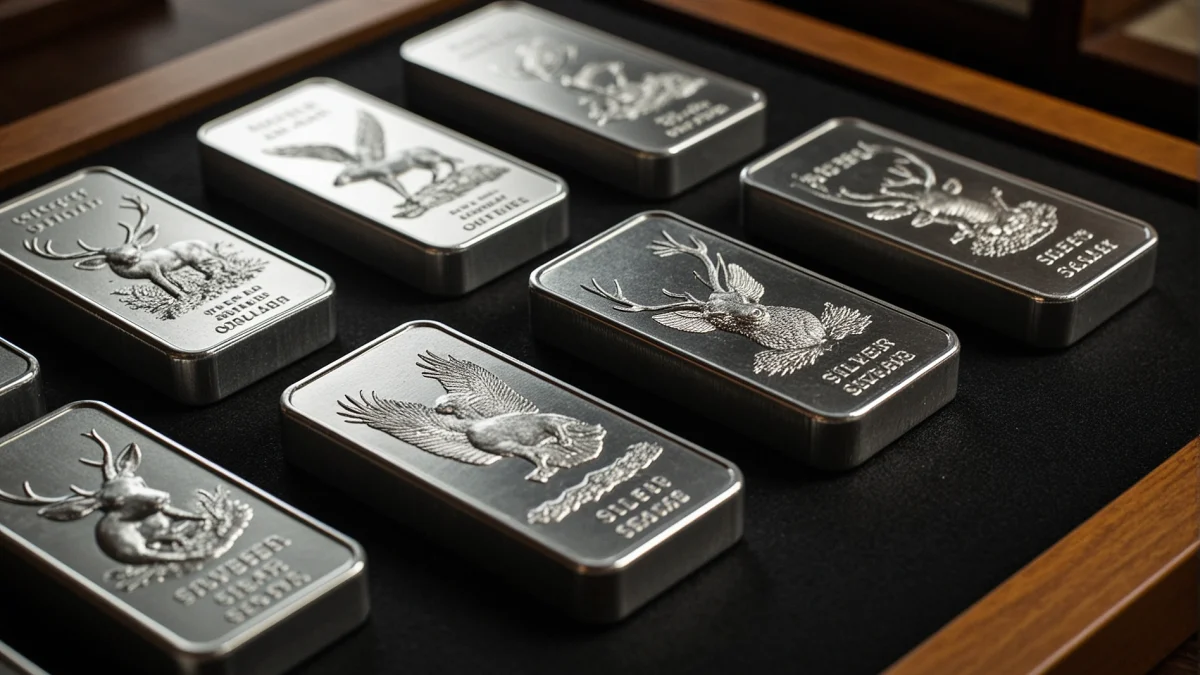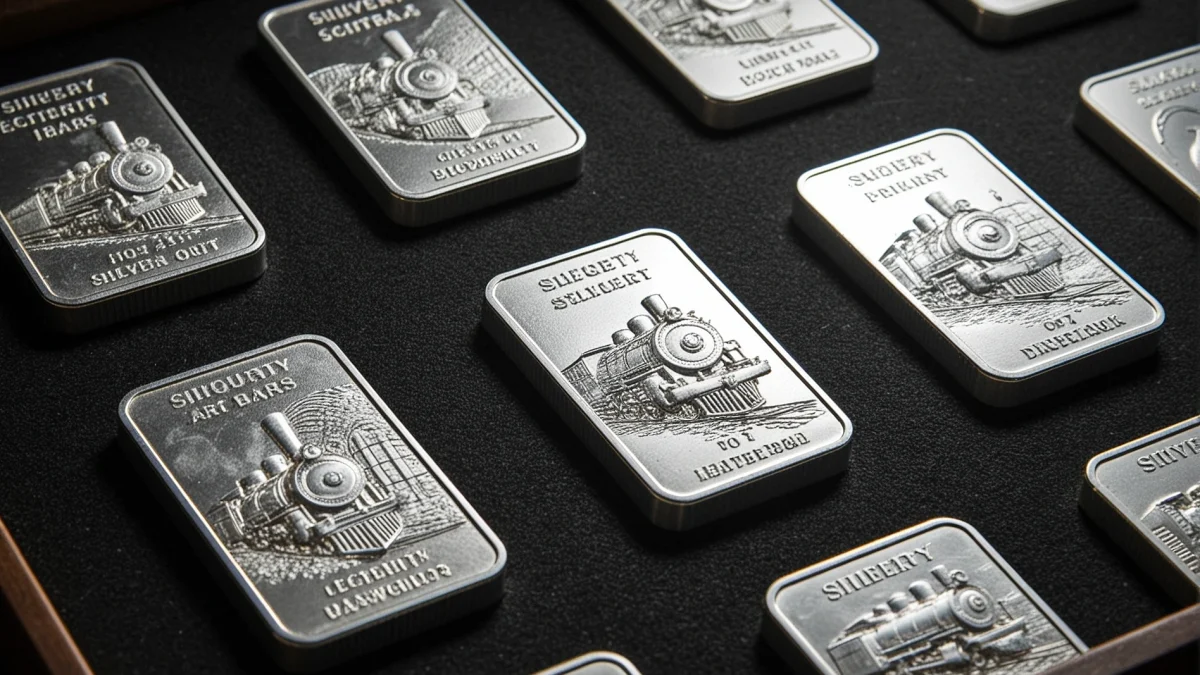
Since the 1950s, silver art bars have been a favorite among collectors because of their combination of artistic expression and precious metal value. Many collectors appreciate these finished works, but few understand the complex production processes that turn raw silver into collectible pieces of art. The modern minting technique has evolved in a significant way, and now incorporates both traditional techniques as well as cutting-edge technologies. Over the decades, the demand for silver art bars has grown steadily, driven by investors seeking tangible assets and numismatists who value the historical and aesthetic qualities embedded in each piece. Today, the industry stands at the intersection of heritage craftsmanship and advanced engineering, producing objects that are as technically sophisticated as they are visually compelling.
The journey from raw silver to finished art bar is neither quick nor simple. It involves multiple stages of refinement, design, minting, and quality assurance, each of which has been transformed by innovations in metallurgy, computer-aided design, and automated production systems. Understanding these processes not only deepens appreciation for the final product but also highlights why certain bars command premium prices in the collector market. From the initial sourcing of .999+ fine silver to the final packaging that protects the bar’s surface, every decision made by the mint influences both the artistic merit and the investment potential of the piece.
The Traditional Casting Methods
Silver art bars are made from high-purity silver, typically fine silver of .999 or more. The purity level is critical because even minor impurities can affect the metal’s melting point, flow characteristics, and final appearance. Silver is melted in special furnaces at temperatures above 1,700° Fahrenheit, a process that requires precise temperature control to avoid oxidation or the formation of unwanted alloys. Once the silver reaches a molten state, it is poured into custom-designed molds by skilled artisans who monitor the flow rate and cooling curve to ensure uniformity. The weight and texture of the bar are created by this method, which remains the foundation of art-bar production despite the advent of more automated techniques.
Traditional casting still plays an essential role in limited-edition releases and custom commissions. Artisans often hand-carve or CNC-mill the molds from high-grade steel or graphite, allowing for intricate relief work that would be difficult to achieve through striking alone. After the silver solidifies, the bars are removed, cleaned of any residual flux, and inspected for surface porosity or shrinkage cavities. These early-stage inspections prevent defective blanks from advancing further in the production line, saving both time and precious metal. In many mints, the casting department operates under clean-room conditions to minimize airborne contaminants that could mar the finished surface.
Precision Striking Technologies
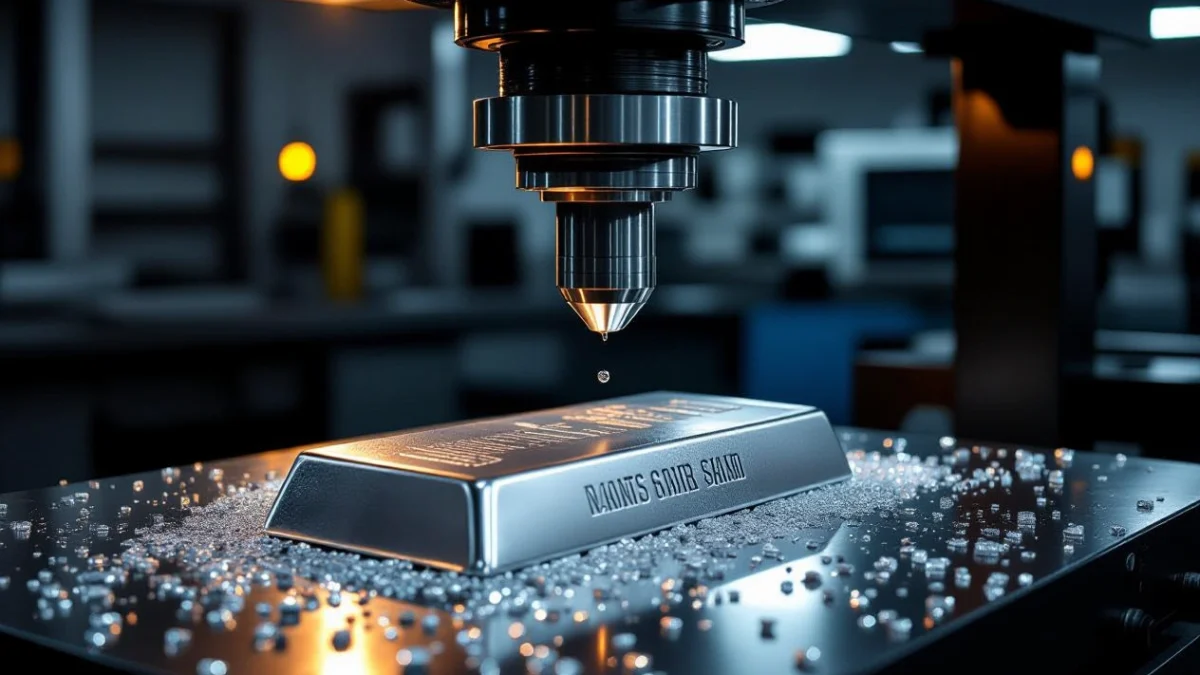
Modern mints use hydraulic presses that can exert tremendous pressure on blank silver. The machines hit the metal repeatedly to create sharp and detailed designs. Computer-controlled systems ensure consistent quality throughout production while retaining the distinctive characteristics of each series. These presses can deliver forces exceeding several hundred tons, allowing the silver to flow into the smallest crevices of the die. The result is a level of definition that captures every nuance of the original artwork, from the fine lines of a portrait to the delicate textures of a landscape.
Before striking begins, the dies themselves undergo an elaborate preparation process. Engravers start with digital renderings created in advanced CAD software, then translate these files into physical dies using high-precision milling machines and laser etching. Each die is polished to a mirror finish on the fields while the recessed areas are left with a controlled texture that will transfer to the silver. Multiple sets of dies are produced for high-volume series, and each set is inspected under magnification to verify that lettering is crisp and that no unintended scratches or pits exist. When a new series is launched, mint technicians perform test strikes on copper blanks to fine-tune pressure settings and alignment before committing valuable silver stock.
The striking process itself is often conducted in multiple passes. Initial strikes establish the basic relief, while subsequent strikes sharpen details and improve edge definition. Between strikes, bars may be annealed—heated and cooled in a controlled atmosphere—to restore malleability without altering the grain structure. This step is particularly important for high-relief designs, where metal flow must be managed carefully to avoid cracking or incomplete fills. Throughout the operation, sensors embedded in the press frame monitor tonnage, temperature, and vibration, feeding data to a central control system that can automatically adjust parameters in real time.
Surface Finishing Techniques
Silver art bars are subjected to various finishing processes after striking. Polishing produces mirror-like finishes that emphasize intricate details, while matte finishes offer a subtler appearance. Some manufacturers use selective frosting techniques to create contrast between polished areas and textured ones, enhancing visual depth. The choice of finish is not merely aesthetic; it also affects how the bar interacts with light and how fingerprints or minor abrasions will show over time.
Modern finishing lines employ robotic arms equipped with progressively finer abrasive pads, followed by ultrasonic cleaning in biodegradable solutions. These systems can achieve surface roughness values measured in nanometers, resulting in a mirror finish that rivals optical glass. For matte surfaces, mints apply micro-bead blasting or chemical etching under tightly controlled conditions. Selective frosting is accomplished by masking certain areas with photoresist before blasting, then removing the mask to reveal the contrast. Each technique requires its own set of quality checkpoints, because even a slight deviation in blast pressure or chemical concentration can produce an uneven appearance across a production run.
After finishing, bars often receive a protective coating—either a thin layer of acrylic lacquer or a proprietary anti-tarnish film. These coatings are applied in climate-controlled chambers to prevent dust inclusion and are cured under ultraviolet light. While some collectors prefer uncoated silver for its purity, the majority appreciate the long-term preservation that modern coatings provide, especially for bars intended to remain in original packaging for decades.
Quality Control Standards
Reputable manufacturers adhere to strict inspection procedures throughout the production process. Every bar is weighed, measured, and visually inspected for any defects. The use of advanced imaging technology allows detection of microscopic flaws that are difficult for humans to see, ensuring collectors receive pieces that uphold the highest standards. Automated optical inspection stations capture high-resolution images of both obverse and reverse, comparing them against master templates stored in a secure database. Any deviation beyond predefined tolerances triggers an alert, and the bar is diverted for manual review.
In addition to visual checks, bars undergo X-ray fluorescence spectroscopy to confirm silver content and to detect any tramp elements that might have been introduced during melting or striking. Density measurements provide a further layer of verification, because even small voids or inclusions will alter the expected specific gravity. Bars that pass all instrumental tests are then subjected to human inspection under multiple lighting conditions, including raking light that highlights surface anomalies. Only after this final gate are bars packaged in protective capsules or assay cards, each labeled with a unique serial number that ties the piece to its production batch and inspection records.
Design and Artistic Collaboration
Behind every silver art bar is a collaborative effort between artists, engravers, and mint engineers. Contemporary artists often work in digital media, supplying high-resolution files that can be scaled and adapted for different bar sizes. Traditional sculptors may still create physical maquettes in clay or wax, which are then digitized using 3D scanners. This hybrid workflow allows mints to preserve the tactile qualities of hand-crafted art while leveraging the precision of computer-controlled machinery. Licensing agreements with renowned artists have become a significant driver of collector interest, as limited-edition bars bearing famous signatures frequently sell out within hours of release.
Theme selection is another critical factor. Mints conduct market research to identify subjects that resonate with both investors and thematic collectors—ranging from endangered wildlife to historical milestones. Once a theme is approved, the design team produces multiple concept sketches, which are reviewed by focus groups and numismatic consultants. Feedback is incorporated into revised designs, ensuring that the final artwork balances aesthetic appeal with the technical constraints of minting. This iterative process can span several months, but it significantly reduces the risk of producing a series that fails to capture collector imagination.
Packaging and Presentation
The final stage of production involves packaging that protects the bar while enhancing its display value. Standard options include soft plastic flips, rigid acrylic capsules, and velvet-lined boxes for premium issues. Each packaging type must meet conservation standards that prevent chemical interaction with the silver surface. Inserts often feature certificates of authenticity, production statistics, and QR codes that link to online galleries or video interviews with the artist. Limited-edition releases may also include individually numbered COAs signed by the mint master or the commissioning artist, adding another layer of collectible appeal.
Presentation sets that combine multiple bars in themed series are increasingly popular. These sets are assembled in climate-controlled environments, and each bar is checked one final time before being sealed. The outer packaging is designed to be both protective and visually striking, often incorporating metallic foils, embossed logos, and tamper-evident seals. Collectors who purchase these sets appreciate the cohesive narrative they provide, as well as the convenience of acquiring an entire series in a single transaction.
Market Trends and Investment Considerations
The silver art bar market has matured into a sophisticated segment of the broader numismatic industry. Prices are influenced by factors such as mintage figures, artistic reputation, metal spot price, and secondary-market liquidity. Bars with low mintages and high-relief designs tend to appreciate more rapidly, especially when they receive favorable reviews in numismatic publications. Conversely, high-mintage issues may serve as entry-level collectibles for new enthusiasts but are less likely to deliver significant returns. Investors are advised to track population reports from third-party grading services, which provide census data on certified examples and help gauge scarcity.
Auction results offer another window into market dynamics. Recent sales of vintage art bars from the 1960s and 1970s have established benchmark prices that continue to climb, driven by both nostalgia and recognition of the historical significance of early private mints. Contemporary releases, particularly those tied to cultural events or celebrity endorsements, can generate immediate premiums on release day. Understanding these trends allows collectors to make informed decisions about which series to pursue and when to consider divesting.
Environmental and Ethical Sourcing
Modern mints are increasingly attentive to the environmental and ethical dimensions of silver sourcing. Recycled silver from industrial and consumer waste now accounts for a growing percentage of raw material, reducing the need for newly mined metal. Traceability programs allow mints to certify that their silver originates from suppliers who adhere to responsible labor practices and environmental regulations. Some producers have introduced carbon-neutral production lines, offsetting emissions through verified forestry and renewable-energy projects. These initiatives not only appeal to environmentally conscious collectors but also future-proof the industry against tightening regulatory requirements.
General Recommendations
Visit the American Numismatic Association website or Professional Coin Grading Service for more educational materials and market insight. Additional resources include the annual reports published by major mints, which detail production volumes, design collaborations, and upcoming releases. Online forums dedicated to silver art bars provide real-time discussion of new issues, storage techniques, and buying opportunities. Whether you are a seasoned collector or a newcomer exploring the intersection of art and precious metals, these platforms offer invaluable guidance for building a meaningful and rewarding collection.