Rise of Railroad Themed Silver Art Bars
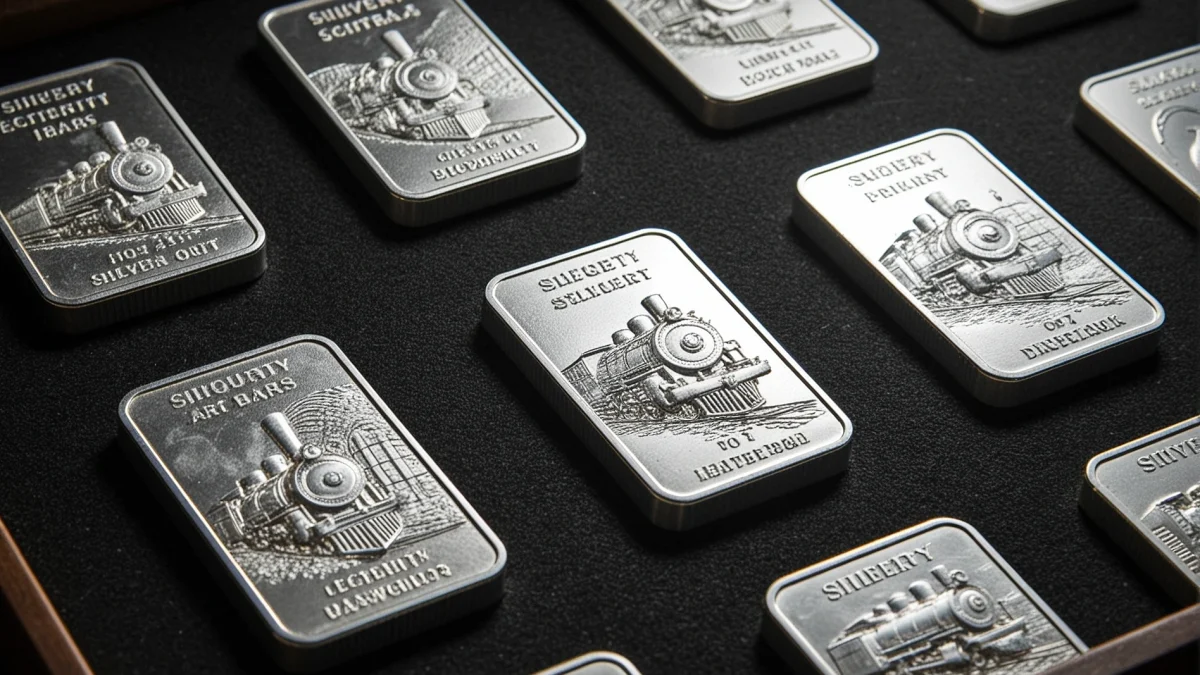
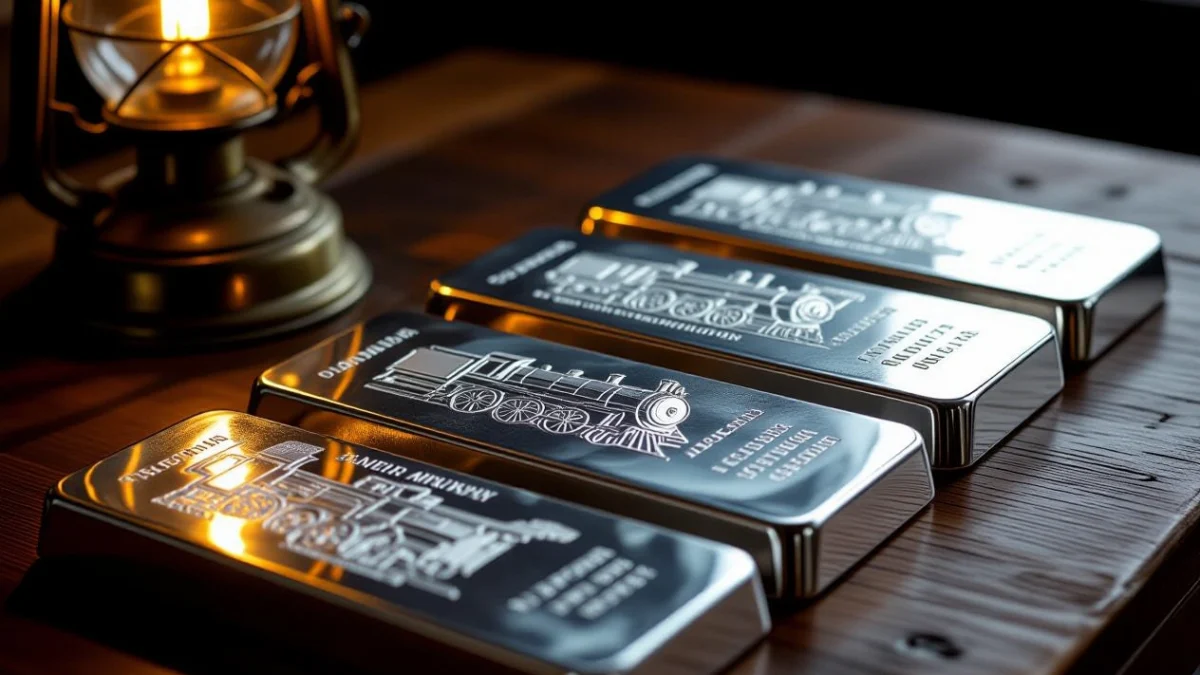
In the late 70s, private mints began producing silver art pieces with railroad themes to honor America’s industrial history. The bars usually feature finely detailed locomotives, cabooses and famous railway stations on either one ounce or five ounce pieces of silver. These collectible bars quickly became popular among both numismatists and railroad enthusiasts, who appreciated the combination of precious metal value and historical artistry. The careful engraving work captured the spirit of the steam era, showcasing everything from the iconic driving wheels of powerful locomotives to the intricate latticework of classic railway stations. As demand grew, mints expanded their offerings, creating limited-edition runs that celebrated the golden age of rail travel across the United States.
Limited Editions and Iconic Designs
The Continental Mint produced one of the first and most popular series, the Transcontinental Express Bar from 1979. It featured the Jupiter locomotive. Each bar was stamped along its edge with an unique serial number. These bars are highly prized by collectors for the accurate depiction of steam engine parts from 19th century. The Jupiter design quickly became a benchmark for quality, with collectors noting the precision of the boiler details, the accurate placement of the whistle, and the fine rendering of the tender car. Because only a small number were struck, surviving examples in pristine condition are scarce and command premium prices at auction.
In 1984, the Sunshine Minting released the Union Pacific Centennial Series. The five pieces of the set each featured a different class of engine, from the 4-8-4 Northern up to the massive 6-4-6 Challenger. Each bar had the “SM” mint mark on the reverse, along with its year of release. The Northern model highlighted the long, sleek lines of high-speed passenger service, while the Challenger captured the sheer bulk and power of freight locomotives. Collectors often seek complete sets, as individual bars from the series are harder to locate today.
The Production Process and Purity of Silver
The bars are made from fine silver.999 using die-striking, hand finishing and a combination. Mint workers then apply a thin layer of frosting over the raised areas to create contrast with the locomotive’s polished details. The weight of the finished bars varies between 31.1 grams and 155.5 grams depending on edition size. The .999 purity ensures lasting value, while the meticulous hand-finishing process gives each bar a unique character. Larger five-ounce editions often include deeper relief, allowing the locomotives to stand out dramatically against the frosted background.
The Authentication Process and Tips for Collectors
The buyer should check the crispness of the lettering and the alignment with the known mint marks. False bars are often rounded on the lettering, and have inconsistent frosting patterns. Dealers who are reputable will provide certificates that list the exact design and mintage specifications. Serious collectors also compare the weight and dimensions against published standards, and examine the edges under magnification for die-polish lines that match genuine examples. Certificates of authenticity often include photographs and serial-number ranges, providing an additional layer of protection against counterfeits.
Display and Storage Ideas
Collectors often arrange the railroad bars into wooden cases covered with dark-blue velvet. They place each bar so that it highlights the profile of a locomotive. Store railroad bars individually in a cabinet that is climate controlled and away from sunlight. Many enthusiasts line their cases with acid-free tissue to prevent tarnish, and rotate the display periodically to avoid uneven fading. Climate-controlled storage also protects against humidity fluctuations that could damage the delicate frosting details.
General Recommendations
Visit the websites of the American Numismatic Association (ANA), the Professional Coin Grading Service (PCGS) and the Silver Institute for more information. These organizations offer extensive resources on grading standards, market trends, and authentication guidelines. Joining collector forums and attending coin shows can also help enthusiasts stay informed about new discoveries and upcoming releases in the railroad-themed silver art bar market.