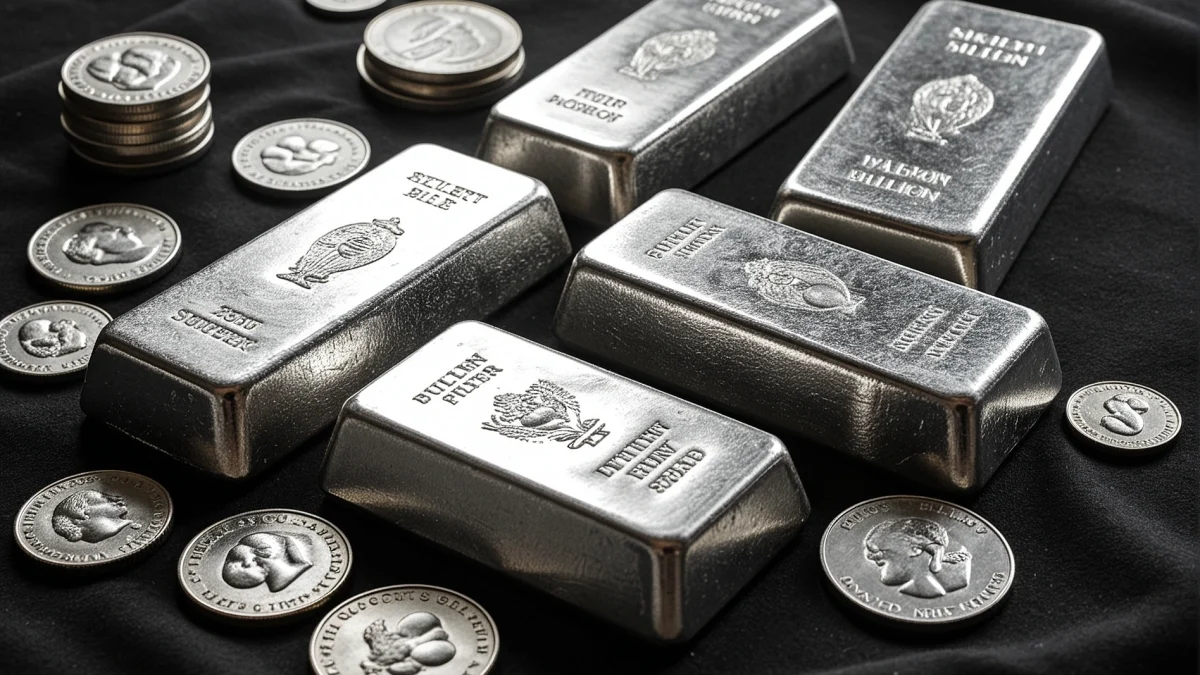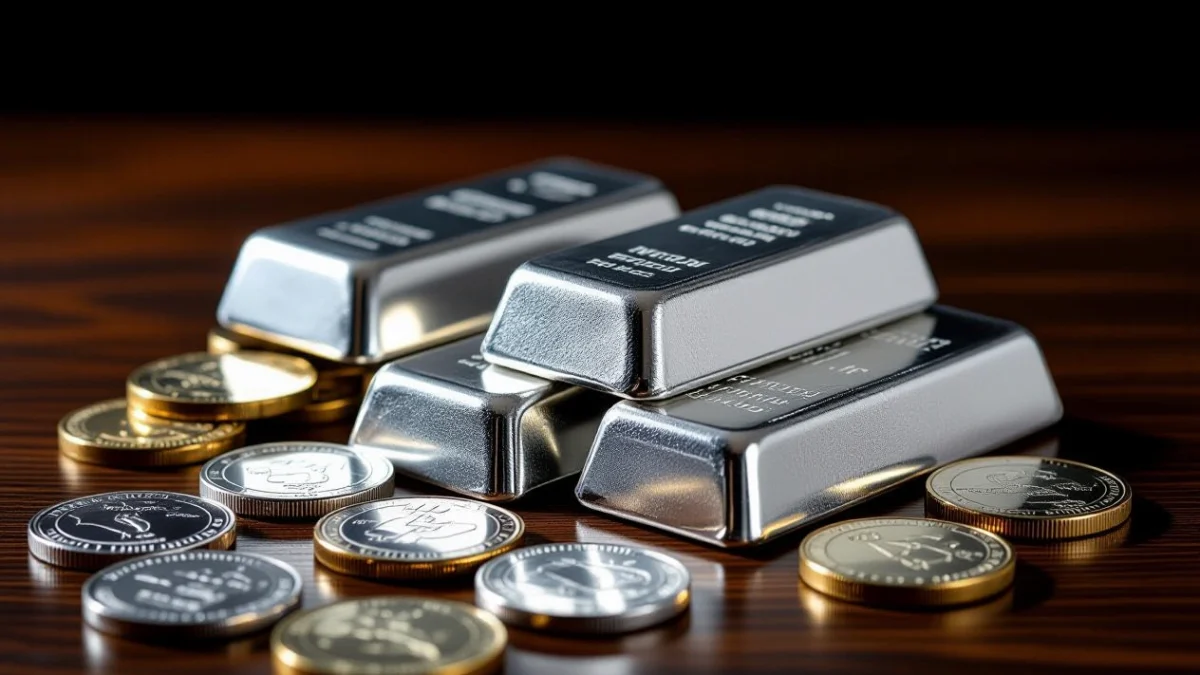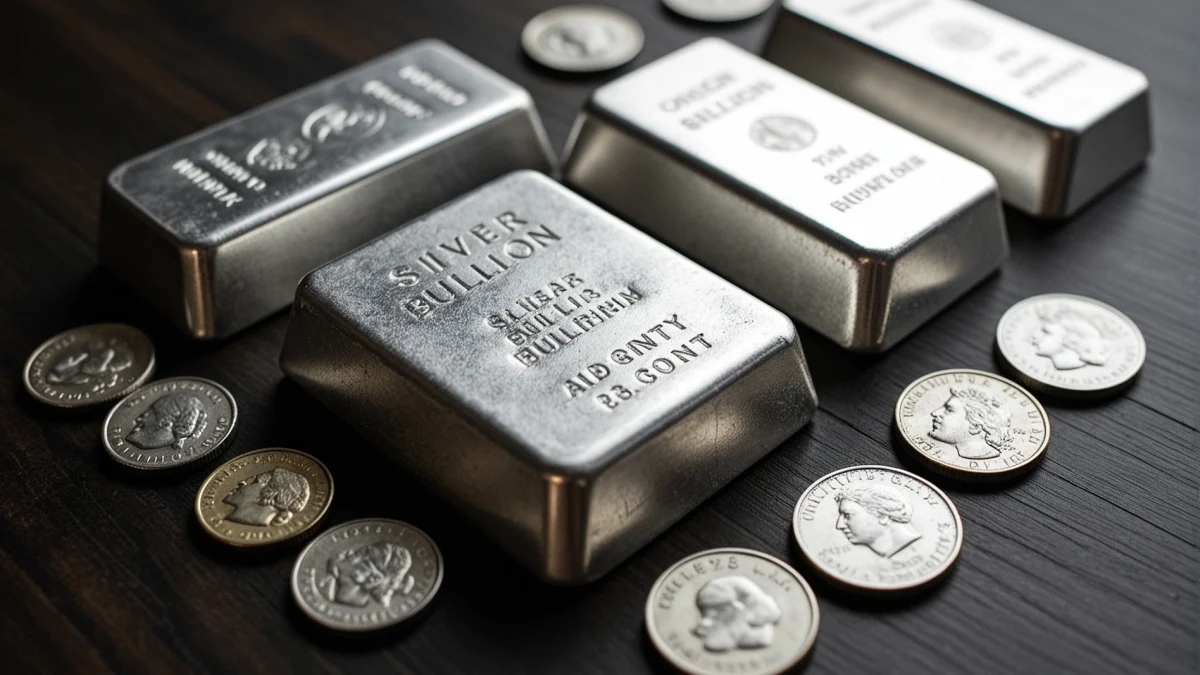
Investors and collectors consider the purity of silver bullion when making purchases. Knowing how to measure, label, and verify purity helps buyers choose products that fit their needs. Understanding these factors is essential for anyone looking to build a meaningful precious metals portfolio.
How purity is measured
The purity of silver bullion is indicated by a decimal number or a percentage, which indicates the amount of pure metal in whichever item. Investment-grade silver typically has a fineness of .999, which means that the item contains 99.9% pure silver. Some coins are minted by the government and reach a fineness of .9999, which is an additional level for people who want maximum purity. These measurements are standardized across the industry, allowing buyers to compare products from different manufacturers with confidence.
Common Purity Designs
- Silver .999: The standard for bullion rounds and bars
- Silver .9999: Found on select coins of the government and in high-end items
- Sterling silver (.925), containing 92.5 percent of silver. Typically used for jewelry instead of bullion
Purity is important for investors
The higher purity level generally commands a slight premium over the spot price but also provides greater assurance about metal content. Investors who are looking to hold metals for a long time often choose .999 and .9999 standards because they can be easily sold in the secondary market. This liquidity factor becomes especially important during economic uncertainty when quick conversion to cash may be necessary.
Verification and certification
Reputable refiners and mints will stamp the purity of their product along with its weight and type of metal. For collectors that want to verify both the purity and condition of their products, third-party services provide an additional level of authentication. These grading services examine each piece for authenticity, weight accuracy, and surface condition before assigning a grade that helps establish market value.
Practical considerations
Buyers should compare products and check for purity. They must also understand the impact of different standards on both price and future value. Documentation of purity from trusted sources can help maintain liquidity at the time of sale. Additionally, storage conditions play a crucial role in preserving the condition of high-purity silver, as environmental factors can affect both appearance and long-term value retention.