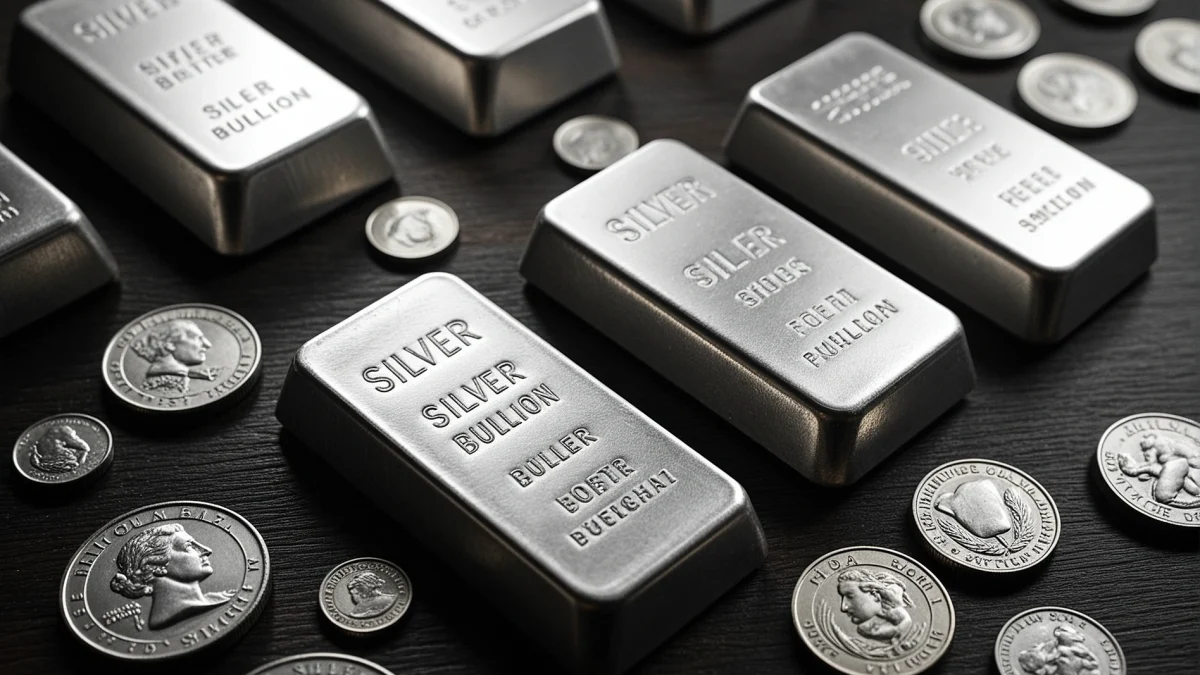
Investors and collectors often focus on the purity of silver bullion when making purchasing decisions. Purity refers to the amount of pure silver contained in a bar or coin, typically expressed as a percentage or fineness rating. Understanding these standards helps buyers select products that meet their investment goals and expectations. Silver bullion has long been regarded as a reliable store of value, and the purity of each piece plays a central role in determining its desirability among both seasoned investors and those new to precious metals. When buyers evaluate different products, they often weigh factors such as price, liquidity, and the reputation of the mint, but purity remains one of the most critical considerations because it directly influences the intrinsic value of the bullion.
Common Purity Levels in Silver Bullion
Most silver bullion products are produced at specific purity levels that have become industry standards. The most frequently encountered purity ratings include .999 fine silver, which contains 99.9 percent pure silver, and .9999 fine silver, which reaches 99.99 percent purity. These standards are widely recognized across government and private mints worldwide. Over the years, mints have refined their production techniques to achieve these high levels of purity consistently, ensuring that investors can purchase bullion with confidence. The .999 standard emerged as the benchmark for most bullion products because it strikes an effective balance between manufacturing efficiency and silver content. Meanwhile, the .9999 standard appeals to those who seek the highest possible purity, often commanding a premium in the marketplace due to the additional refining processes required.
.999 Fine Silver
This purity level represents the most common standard for silver bullion. Products marked .999 contain 999 parts pure silver per 1,000 parts total weight. This level provides an excellent balance between production costs and silver content for most investors. Many government mints, including those in Canada, the United States, and Australia, produce coins and bars at this purity level, making it widely available and easy to trade. Investors appreciate the consistency and liquidity of .999 fine silver because it is accepted by dealers and marketplaces around the globe. Additionally, the slightly lower production costs associated with this purity level often translate into more competitive pricing, allowing buyers to acquire larger quantities without significantly increasing their overall expenditure.
.9999 Fine Silver
Higher purity products marked .9999 contain 9999 parts pure silver per 10,000 parts total weight. These products appeal to collectors and investors seeking maximum silver content per unit of weight. The additional refining steps required to achieve this level of purity can increase production costs, which may be reflected in higher premiums over spot price. However, for those who prioritize having the highest possible silver content in their holdings, .9999 fine silver offers peace of mind and can be particularly attractive for long-term storage strategies. Some private mints have developed proprietary refining techniques that allow them to produce .9999 fine silver at scale, making it more accessible to individual investors who might have previously considered it cost-prohibitive.
Why Purity Matters for Investors
Purity directly affects the actual silver content of each bullion piece. When comparing products of equal weight, higher purity means more actual silver content. This factor becomes particularly important when calculating total precious metals holdings and planning portfolio strategies. Investors who are building substantial positions in silver often track their holdings in terms of pure ounces rather than total weight, making purity a key variable in their calculations. Furthermore, during periods of market volatility, the purity of silver bullion can influence its resale value, as dealers and buyers may offer better terms for products with verified high purity. Understanding the nuances of purity allows investors to make informed decisions that align with their financial objectives and risk tolerance.
Industry Standards and Verification
Reputable mints maintain strict quality control processes to ensure their products meet advertised purity levels. Investors can verify purity through several methods including visual inspection of hallmarks, checking mint certifications, and consulting third-party grading services when appropriate. Hallmarks stamped on bullion products provide immediate information about the mint and the purity level, serving as a quick reference for buyers. Certifications from recognized mints offer additional assurance, while third-party grading services can provide an independent assessment of both purity and overall condition. These verification methods help protect investors from counterfeit products and ensure that their purchases meet the standards they expect. As the silver market continues to grow, the importance of reliable verification methods has become increasingly apparent, prompting mints and grading services to adopt new technologies and protocols.
Practical Considerations
Most investors find that .999 fine silver meets their needs for portfolio diversification and wealth preservation. The slight difference in silver content between .999 and .9999 products rarely justifies significant price premiums for typical investment strategies. However, those with specific goals, such as maximizing pure silver content or building a collection of high-purity products, may find the additional cost worthwhile. It is also important to consider the liquidity of different purity levels, as .999 fine silver tends to be more widely traded and easier to sell quickly if needed. Investors should evaluate their own priorities and consult with trusted dealers or financial advisors to determine the most suitable purity level for their circumstances.
Storage and Handling
Higher purity silver requires the same careful storage considerations as standard purity products. Proper storage protects against tarnish and physical damage regardless of the specific purity level. Investors should store their silver bullion in a cool, dry environment, ideally in airtight containers or protective sleeves designed for precious metals. Avoiding exposure to moisture and pollutants helps maintain the appearance and integrity of the bullion over time. Some collectors choose to store their silver in safety deposit boxes or secure vaults, while others prefer home storage solutions that offer both security and easy access. Regardless of the storage method, regular inspections can help identify any issues early and ensure that the bullion remains in optimal condition.
General Recommendations
- Research purity standards before purchasing silver bullion products
- Compare actual silver content when evaluating different products
- Consider storage requirements for your chosen purity level
- Evaluate the reputation and reliability of the mint or dealer
- Understand the liquidity and resale potential of different purity levels
- Consult with financial advisors or precious metals experts for personalized guidance
- Stay informed about market trends and changes in industry standards
In addition to these recommendations, investors should also consider the broader context of their investment strategy. Silver bullion can serve as a hedge against inflation, a diversifier in a mixed-asset portfolio, or a long-term store of value. The purity of the silver products chosen can influence how effectively these goals are achieved. By taking the time to understand purity standards and verification methods, investors can make more confident decisions and build a collection that aligns with their financial objectives. As the market for silver bullion continues to evolve, staying informed and adaptable will remain essential for success. Whether purchasing .999 or .9999 fine silver, the key is to prioritize quality, authenticity, and alignment with personal investment goals. This approach not only protects the value of the investment but also enhances the overall experience of owning and managing precious metals.