The Carson City Mint and Its Enduring Silver Legacy
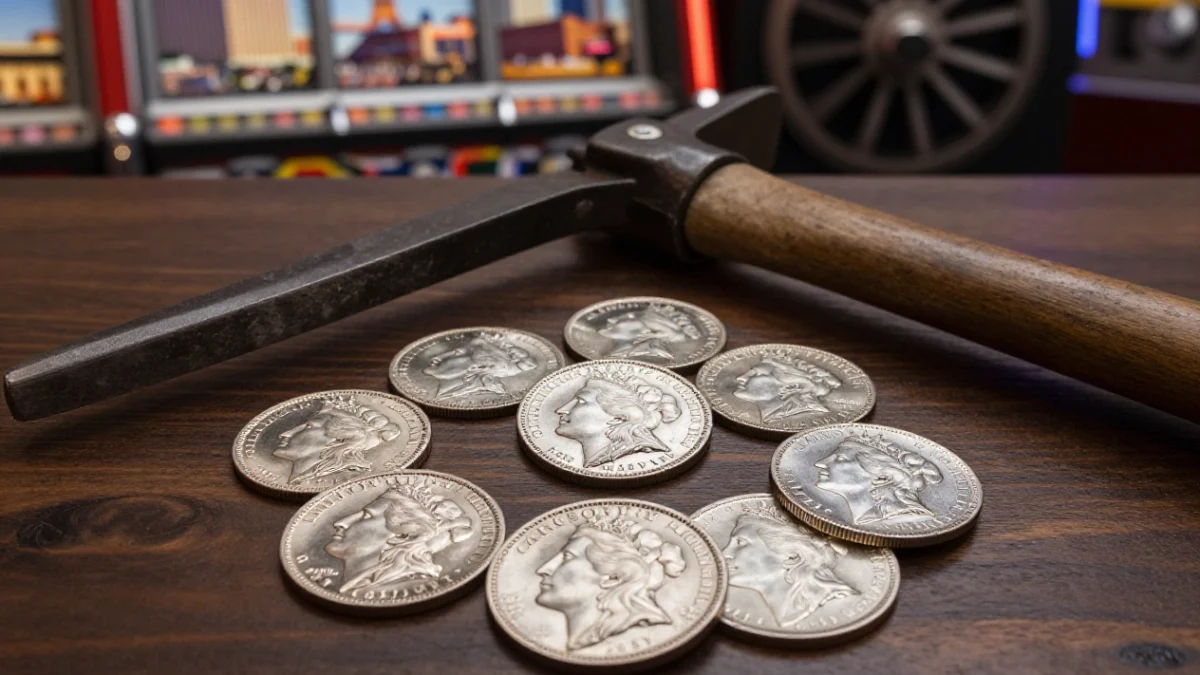
In 1870, the United States opened a mint in Carson City, Nevada, to convert the flood of silver coming from nearby mines into official coinage. The distinctive “CC” mintmark on the coins struck there quickly became a symbol of the American West’s mineral wealth, and today those same pieces rank among the most sought-after examples of vintage silver bullion for collectors around the world.
The Carson City Mint: Purpose and Place in American Coinage
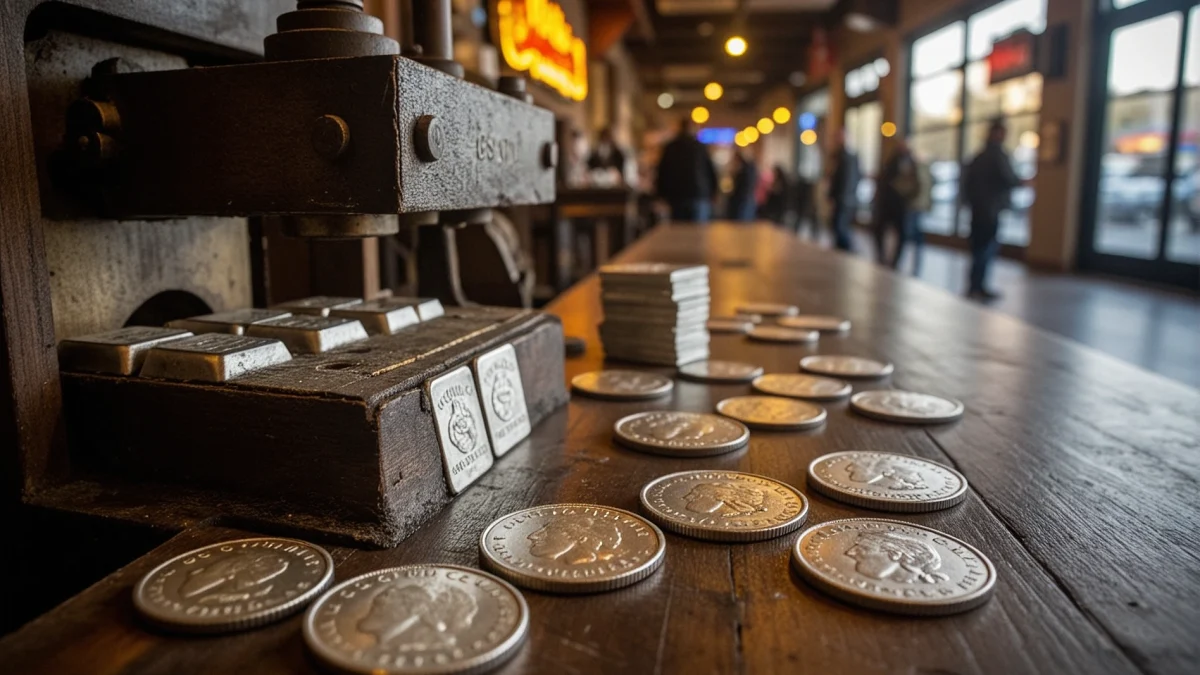
The Carson City Mint was established to reduce the cost and risk of shipping raw silver across long distances to the mints in San Francisco and Philadelphia. Between 1870 and 1893, the facility struck gold and silver coins bearing the “CC” mintmark, giving collectors a clear and lasting connection to Nevada’s mining districts. Although the mint closed after just over two decades, its output remains a focal point for anyone studying the history of United States silver coinage.
Carson City silver dollars, especially the Morgan dollars produced from 1878 onward, stand out because of their limited mintages and the stories attached to their survival. Many of these coins rested undisturbed in government vaults for generations, emerging later in small, well-documented quantities that continue to shape collector interest in vintage silver bullion with a Nevada provenance.
Why Collectors Prize CC-Mintmarked Silver Dollars
The appeal of Carson City Morgan dollars rests on several documented factors. Their mintages are among the lowest in the series, and the survival rates for certain dates are modest compared with coins from Philadelphia or San Francisco. This scarcity, combined with the tangible link to Nevada’s nineteenth-century silver production, gives these pieces both numismatic and historical significance that extends far beyond their silver content.
Because the Carson City Mint struck coins for only a short period, each date within the Morgan dollar series carries its own production history. Collectors often focus on assembling sets that illustrate the mint’s entire run, studying die varieties, mintmark sizes, and strike characteristics that help distinguish genuine examples from counterfeits or altered pieces.
Key Points for Collectors of CC Silver Dollars
- Carson City Morgan dollars were produced in far smaller quantities than those from the Philadelphia or San Francisco mints.
- Many surviving examples were released decades after minting through government dispersal programs, creating well-documented populations.
- The “CC” mintmark remains the clearest visual indicator of Nevada origin and is widely recognized by grading services and collectors worldwide.
- Authentication relies on established grading standards rather than assumptions about strike quality or surface characteristics unique to the Carson City Mint.
Las Vegas: A Modern Marketplace for Carson City Silver
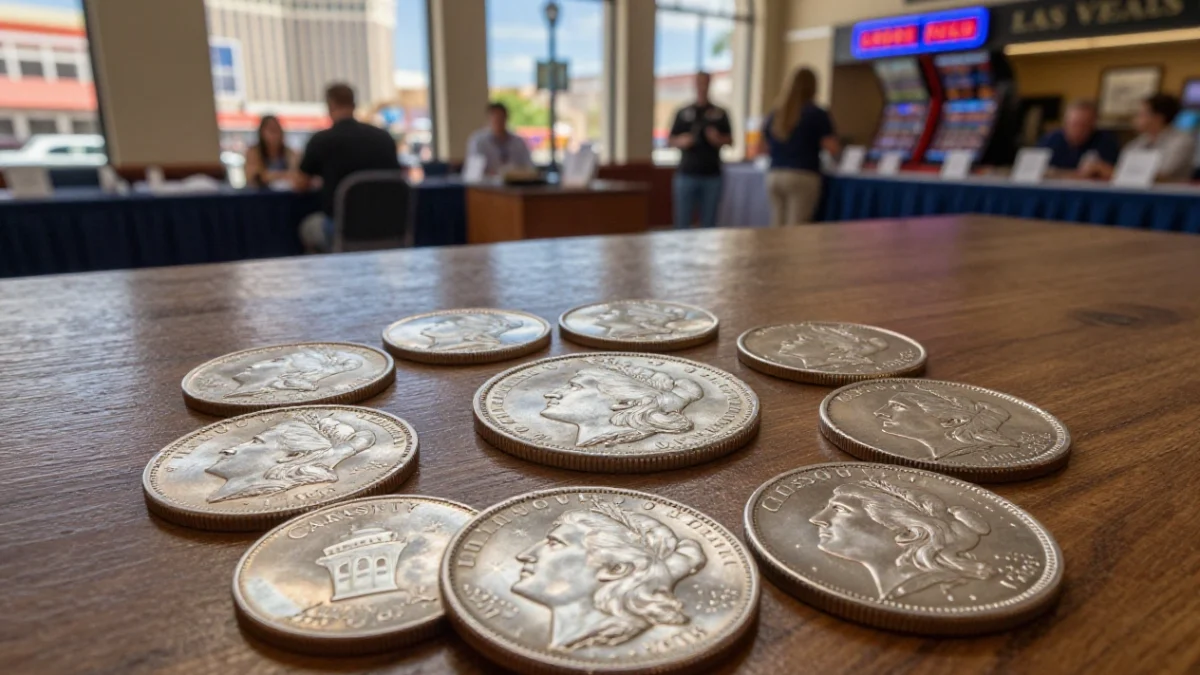
Although the Carson City Mint closed long before the rise of Las Vegas as a major city, the two Nevada locations share a direct connection through the silver dollar itself. During the mid-twentieth century, downtown Las Vegas casinos installed thousands of silver-dollar slot machines that accepted genuine Morgan and Peace dollars. These machines created a steady local demand for vintage silver dollars, many of which bore the “CC” mintmark, and helped establish Las Vegas as one of the largest retail markets for such coins in the United States.
Today, visitors and residents can still find coin shops and dealers in the Las Vegas area that specialize in authenticated Carson City silver dollars. The city’s long association with silver-dollar gaming has left a lasting collecting culture that continues to introduce new enthusiasts to the history and value of vintage silver bullion tied to Nevada’s mining past.
Understanding Value: Bullion Content versus Collector Interest
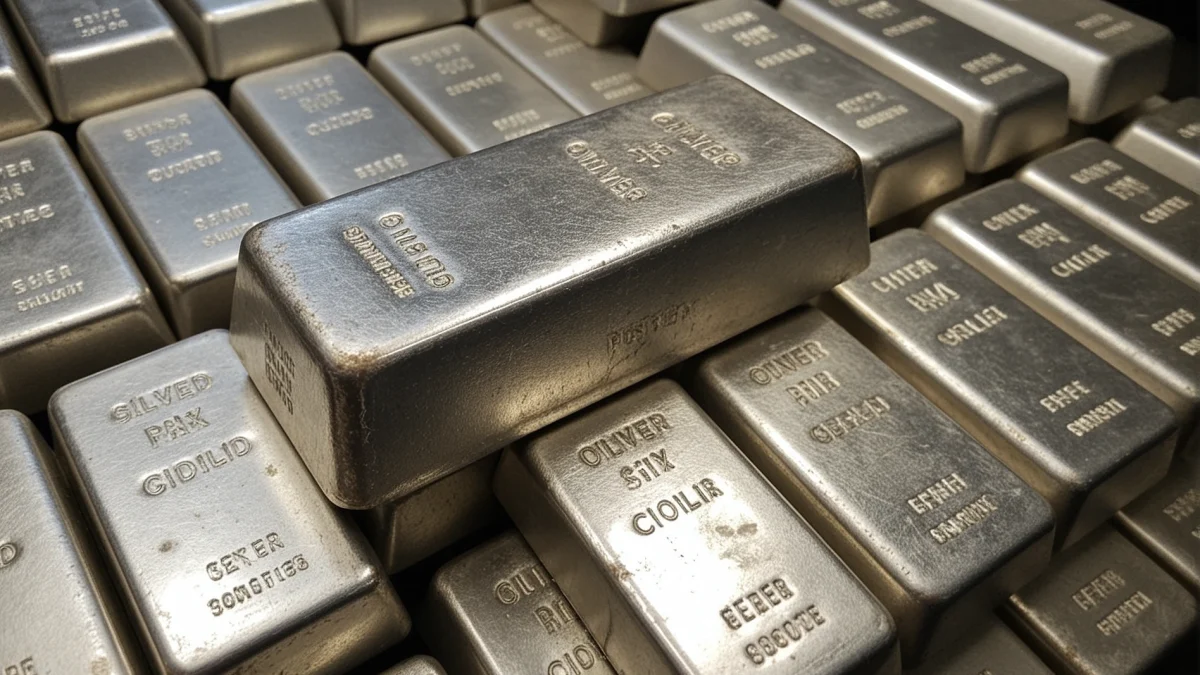
Every Carson City Morgan dollar contains the same 90 percent silver alloy used in all United States silver dollars of its era. Its intrinsic metal value is therefore identical to that of a Philadelphia-minted counterpart of the same weight and fineness. What sets the “CC” pieces apart for many buyers is the documented record of their production and survival, which can command a premium based on date, mintmark clarity, and certified grade rather than on silver content alone.
Collectors who approach these coins with a long-term view recognize that their appeal rests on verifiable historical facts—limited mintages, government release patterns, and the physical evidence of nineteenth-century Nevada silver—rather than on short-term market trends. This perspective helps buyers anywhere in the world distinguish between the steady bullion value of vintage silver and the additional, time-tested premium attached to pieces bearing the Carson City mintmark.
Preserving and Passing On Nevada’s Silver Heritage
Whether acquired through careful study of certified populations or discovered in long-held family collections, Carson City silver dollars offer a direct link to the brief but influential chapter of American coinage struck in Nevada. Their documented histories, modest mintages, and distinctive mintmark continue to attract collectors who value both the metal and the story behind each piece.
By focusing on authentication, proper storage, and an understanding of the historical context that produced these coins, collectors help ensure that the legacy of the Carson City Mint remains accessible to future generations interested in vintage silver bullion and the role Nevada played in shaping United States coinage.