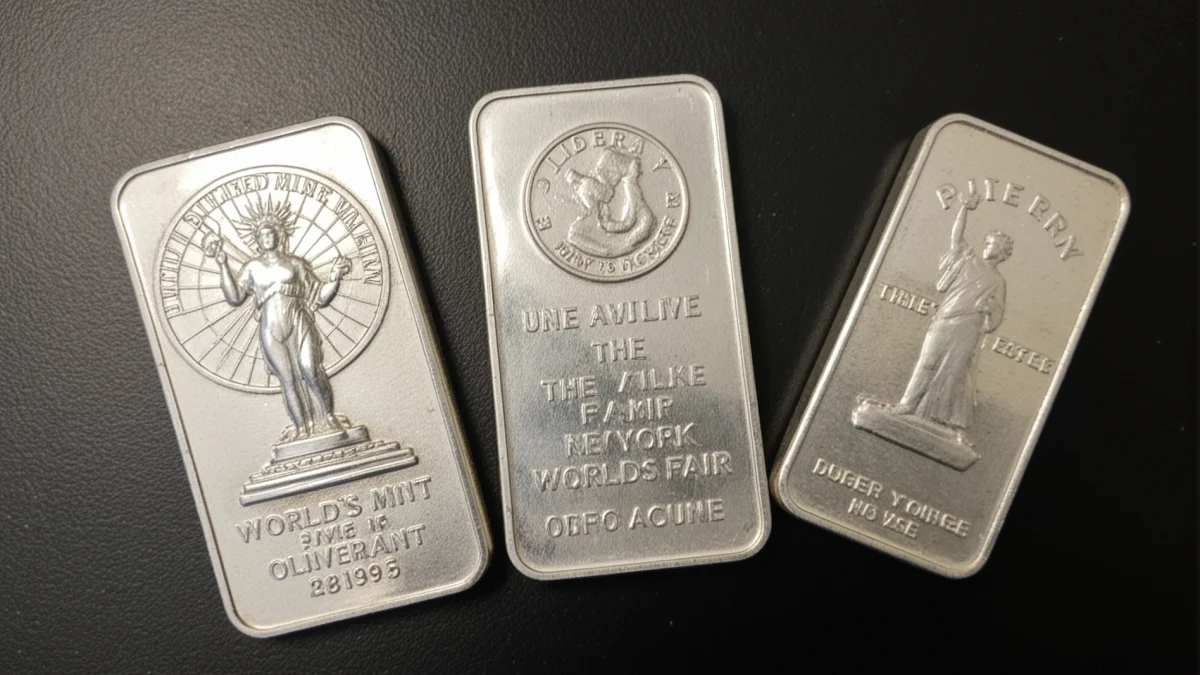
In 1965, a small private mint in New Jersey produced one of the earliest documented silver art bars, a one-ounce piece commemorating the New York World’s Fair. That single issue helped launch a collecting category that would grow for the next two decades and spread far beyond the East Coast.
The Birth of the Private Mint Era
Before the mid-1960s, most silver bars were plain, industrial products made strictly for bullion dealers. Engelhard Industries, already known for refining and fabricating silver, began adding simple stamped designs to some of its one-ounce and ten-ounce bars around 1968. Collectors noticed the change, and other refiners soon followed.
By 1970, Johnson Matthey and the Franklin Mint had each released their own limited series. These bars carried recognizable artwork, dates, and mint marks, giving buyers a reason to collect more than one piece. The shift from anonymous bullion to named, artistic issues marked the start of what collectors now call the silver art bar movement.
How Private Mints Produced Early Art Bars
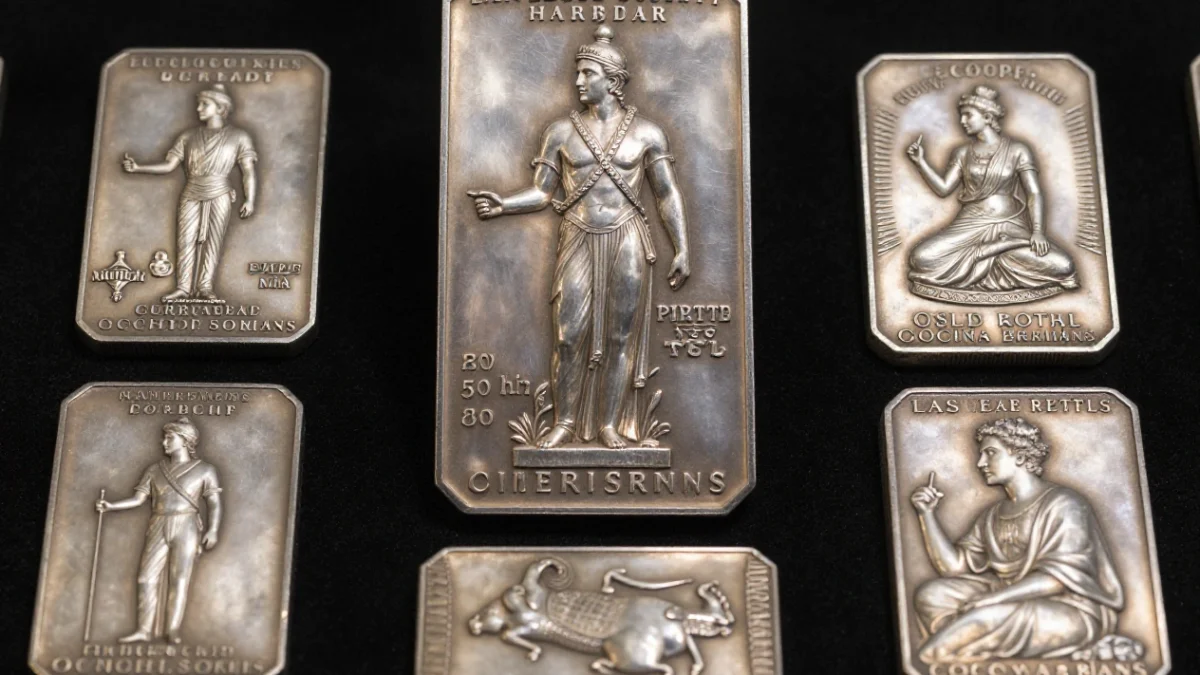
Most 1960s and 1970s art bars were made by pouring molten .999 fine silver into graphite molds, then striking the cooled ingot with a hardened die. The process combined casting and stamping, leaving a raised design on one or both sides. Because each mint used its own equipment and finishing techniques, the resulting bars show clear differences in edge reeding, surface texture, and lettering style.
Engelhard bars from this period often carry a small “E” hallmark and a serial number. Johnson Matthey pieces frequently display the letters “JM” and a globe logo. Franklin Mint bars are usually marked with the mint’s full name and a copyright line. These consistent markings help collectors identify genuine examples decades later.
Popular Themes and Series from the Era
Private mints quickly learned that themed series encouraged repeat purchases. The Franklin Mint issued zodiac bars, holiday ingots, and statehood commemoratives. Madison Mint produced wildlife and aviation designs. Silvertowne offered bars honoring American presidents and historic events. Each series was struck in limited quantities, though exact mintage figures were rarely published.
- Most bars weighed one troy ounce and measured approximately 1.5 by 2.5 inches.
- Edges were either plain or lightly reeded, depending on the mint’s standard practice.
- Surfaces received a satin or proof-like finish that highlighted the raised artwork.
Las Vegas Collectors and the Rise of Casino-Themed Bars
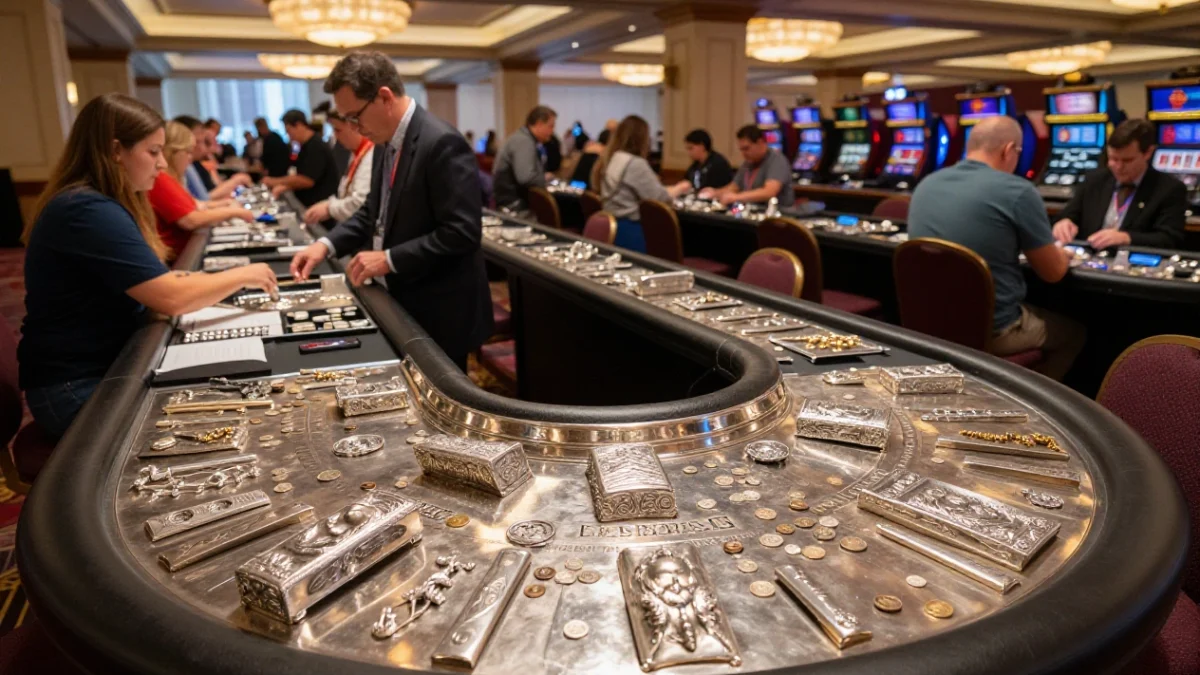
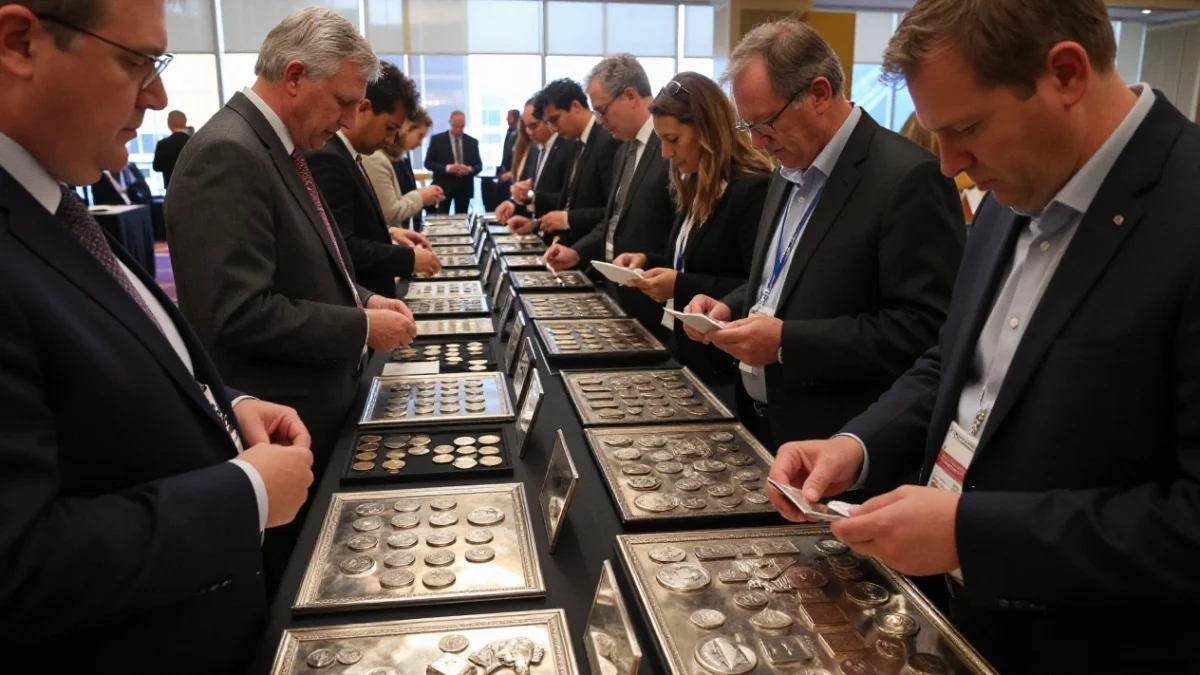
Las Vegas casinos began commissioning their own silver art bars in the early 1970s. The Mint Hotel, the Sahara, and the Desert Inn each released commemorative pieces marking anniversaries or special events. These bars were sold at hotel gift shops and later traded among local collectors who gathered at coin shops along Charleston Boulevard. Because the designs referenced specific properties and dates, they became instant souvenirs for visitors and lasting keepsakes for Nevada residents.
Today, collectors worldwide seek these Las Vegas issues for the same reason they pursue any early art bar: the combination of documented origin, recognizable artwork, and .999 fine silver content. A bar struck for a 1972 casino anniversary, for example, carries the same technical specifications as a Franklin Mint zodiac piece, yet its imagery ties it directly to Nevada’s gaming history.
Why These Early Bars Still Matter
The private mint movement of the 1960s and 1970s turned silver bars from anonymous bullion into collectible objects. By adding artwork, dates, and mint marks, refiners created a new category that rewarded both historical interest and artistic appreciation. Collectors who study edge styles, hallmarks, and series themes can trace the development of this market from its modest beginnings in New Jersey to its spread across the American West, including the casino floors of Las Vegas.