Wildlife Silver Art Bars: A Collector’s Guide
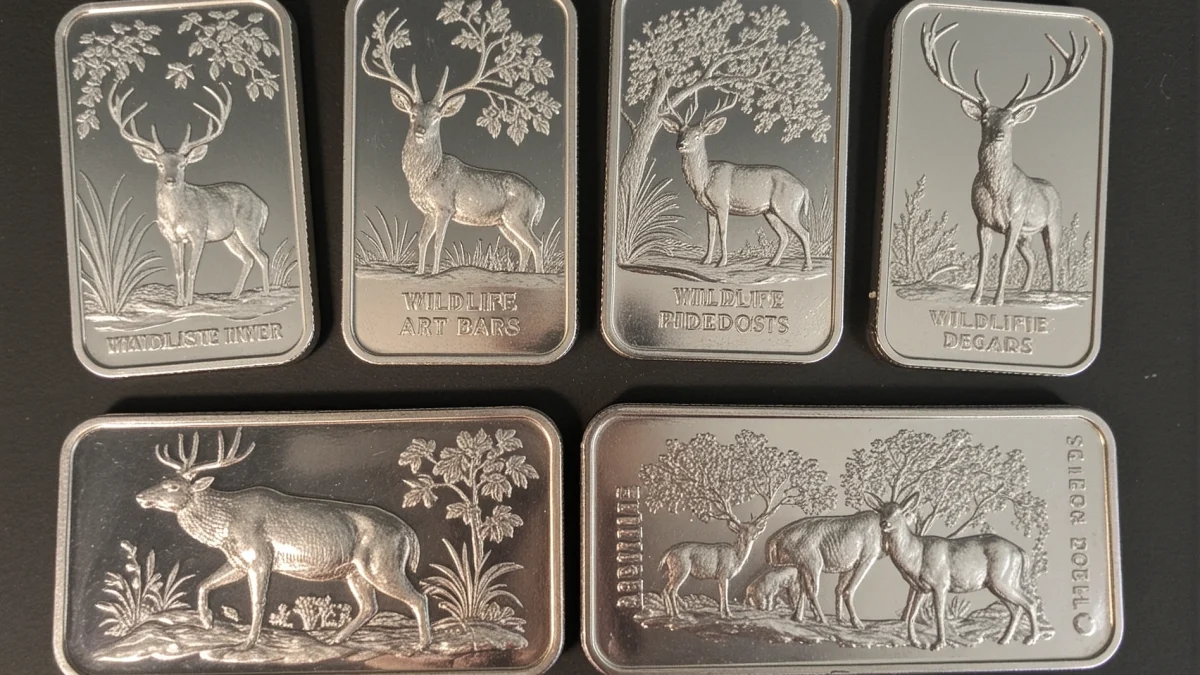
Silver art bars featuring wildlife designs have become a distinct niche within the broader world of silver collectibles. These pieces combine the intrinsic value of precious metal with artistic representations of animals, creating objects that appeal to both numismatists and nature enthusiasts.
Early Wildlife Designs in Silver Art Bars
The earliest wildlife-themed silver art bars emerged during the 1970s when private mints began experimenting with animal imagery. These initial pieces typically featured simple, stylized representations of common North American animals such as deer, eagles, and bears. The designs reflected both the artistic capabilities of the era and the growing environmental awareness of the time.
Popular Animal Subjects and Artistic Styles
Wildlife silver art bars showcase a diverse range of animal subjects. Common themes include:
- North American mammals like bison, wolves, and mountain lions
- Birds of prey including eagles, hawks, and owls
- Marine life such as dolphins, whales, and sea turtles
- Big game animals from various continents
Artistic approaches vary from highly detailed, realistic portrayals to more abstract or stylized interpretations. Some bars feature single animals in profile, while others depict animals in their natural habitats or engaged in characteristic behaviors.
Production Techniques and Silver Purity
Most wildlife silver art bars are struck in .999 fine silver, though some earlier pieces may contain slightly lower silver content. The production process involves creating detailed dies that capture fine features like fur texture, feather patterns, and facial expressions. The quality of these strikes varies significantly between different mints and production periods.
Collecting Considerations
When building a wildlife silver art bar collection, several factors influence value and desirability:
- Condition of the piece, including any toning or handling marks
- Rarity of the specific design or mintage quantity
- Artistic merit and detail quality of the animal representation
- Historical significance of the issuing mint
Storage and Display Recommendations
Proper storage protects wildlife silver art bars from environmental damage while preserving their artistic details. Collectors should use acid-free holders or capsules designed specifically for silver pieces. Display options range from simple wall-mounted cases to custom shadow boxes that allow viewing while protecting the bars from dust and handling.
Authentication and Counterfeit Awareness
As with all silver collectibles, authentication becomes increasingly important as values rise. Collectors should familiarize themselves with the specific characteristics of legitimate pieces from known mints. Weight, dimensions, edge design, and strike quality all provide clues about authenticity. Purchasing from established dealers with return policies offers additional protection.
Market Trends and Value Factors
Wildlife silver art bars occupy a middle ground between pure bullion products and high-end numismatic collectibles. Their value depends on both silver content and collector demand for specific designs. Limited edition pieces featuring popular animals or created by renowned artists typically command premiums above their silver content.
Building a Thematic Collection
Many collectors focus on specific categories within wildlife art bars. Some specialize in North American mammals, while others pursue pieces featuring endangered species or birds. This thematic approach allows for deeper knowledge development and often results in more coherent, valuable collections over time.