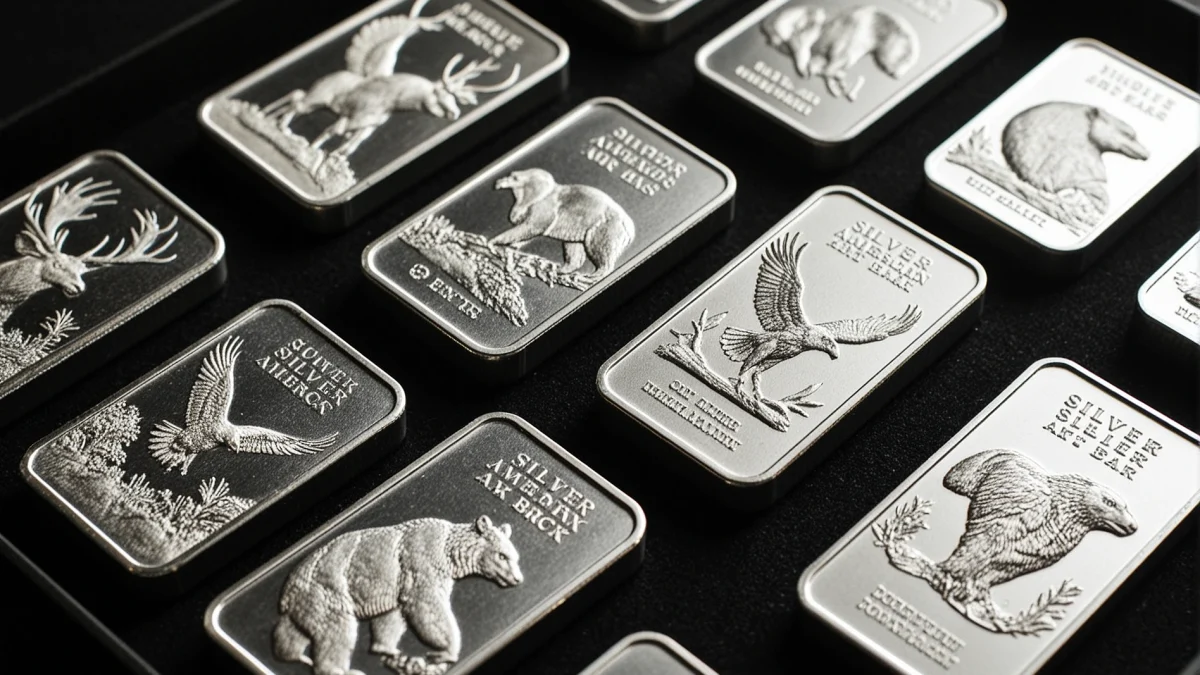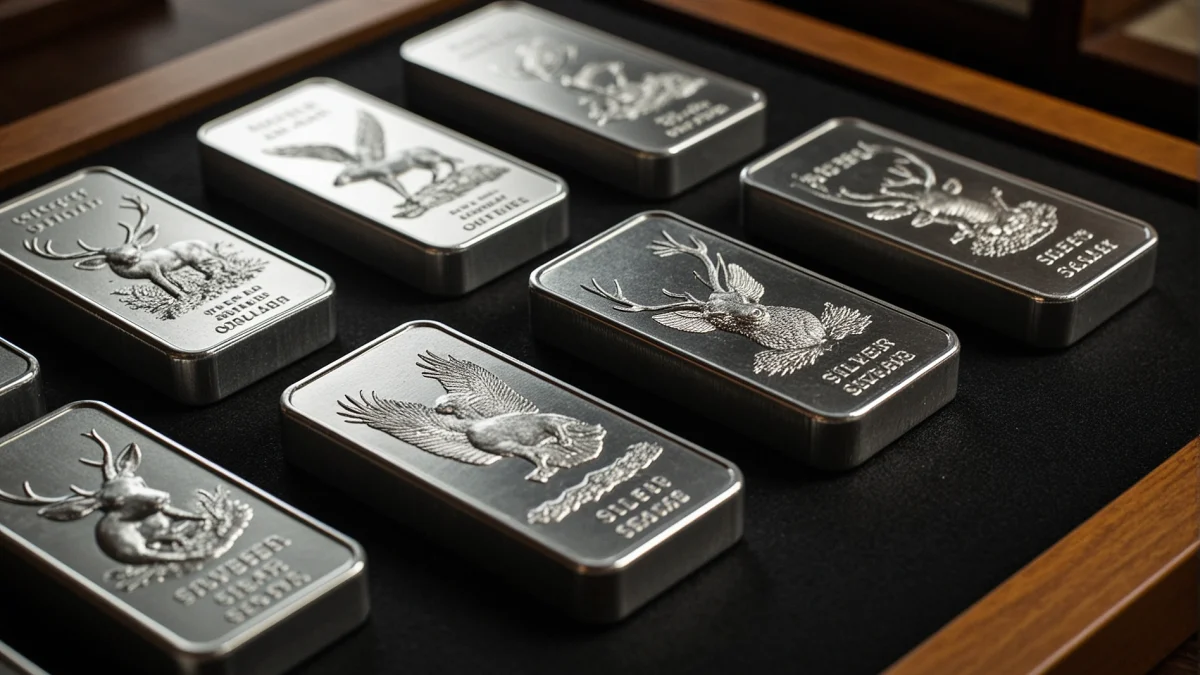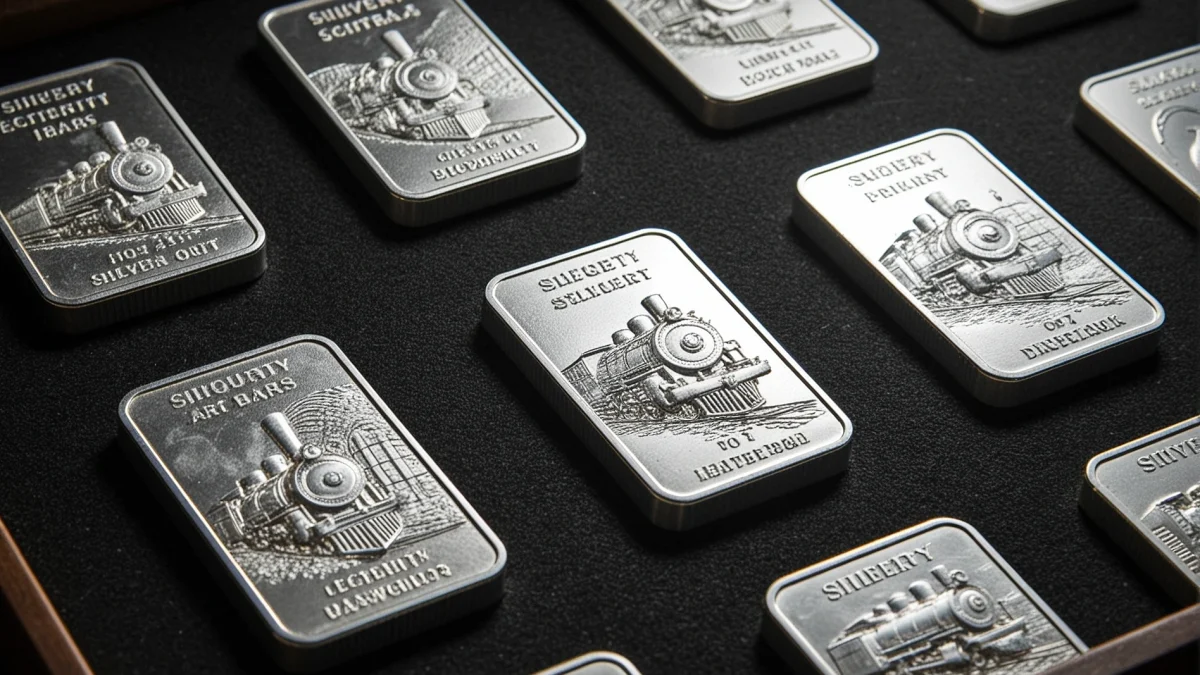
Silver art bars are attracting collectors from around the globe. They combine the value of precious metals with artistically striking designs. They are both miniature artworks and tangible assets, which makes them a great addition to any collection. As interest in tangible assets continues to grow, silver art bars have emerged as a unique bridge between the world of fine art and the realm of precious metals investing. Their dual appeal makes them highly sought after by individuals who appreciate both aesthetic beauty and the security of physical silver ownership. Over the past decade, the market for limited edition silver art bars has expanded significantly, driven by collectors who value the craftsmanship, rarity, and potential appreciation that these pieces offer. Whether you are a seasoned numismatist or a newcomer to the world of precious metals, understanding the nuances of limited edition silver art bars can open up new opportunities for building a meaningful and valuable collection.
Understanding Limited Editions
In controlled quantities, limited edition art silver bars can be produced. These are usually in small numbers, ranging between a few hundreds and several thousand. Every bar has a unique serial code that can be used to verify authenticity or track the place in the series. The controlled production can create a natural scarcity, which will increase the value of collectors’ items. The concept of limited editions is not new to the art world, but its application to silver art bars has created a fascinating niche within the numismatic community. When a mint or private producer decides to issue a limited edition silver art bar, several factors come into play. First, the mint must determine the appropriate production quantity, balancing the desire for exclusivity with the need to meet anticipated demand. Too few bars may result in an overly exclusive product that fails to attract a broad collector base, while too many can dilute the sense of rarity that drives value. The serial numbering system is a critical aspect of limited edition silver art bars. Each bar is assigned a unique number, often ranging from 001 to the total mintage. This numbering serves multiple purposes: it allows collectors to verify the authenticity of their piece, provides a sense of place within the series, and can even influence the value of individual bars. Lower serial numbers, such as those in the single or double digits, are often prized by collectors and can command a premium in the secondary market. The production process for limited edition silver art bars typically involves several stages of quality control. From the initial design phase to the final striking and packaging, each step is carefully monitored to ensure consistency and quality. Mints often employ master artisans and skilled technicians to oversee the production, ensuring that every bar meets the highest standards. This attention to detail is one of the factors that sets limited edition silver art bars apart from more mass-produced bullion products. The scarcity created by limited mintages can have a significant impact on the long-term value of these pieces. As bars are acquired by collectors and removed from the available supply, the remaining pieces become increasingly difficult to obtain. This dynamic can lead to price appreciation over time, particularly for bars that feature popular themes, exceptional designs, or historical significance. Collectors who are able to acquire limited edition silver art bars at or near the original issue price may find that their investment grows substantially as the series becomes more sought after in the secondary market.
Design and production methods
Silver art bars feature intricate techniques of engraving that bring out fine details. The manufacturers use both hand-engraved images and computer-guided milling techniques to produce crisp images, ranging from wildlife to historical figures. Silver content in most products is.999 fine to ensure consistency of purity across producers. The design process for a limited edition silver art bar begins with the selection of a theme or subject. This can be inspired by historical events, cultural landmarks, famous individuals, or natural phenomena. Once a theme is chosen, artists and designers work to create a visual representation that captures the essence of the subject while also being suitable for reproduction on a small silver surface. The design must be both aesthetically pleasing and technically feasible, taking into account the limitations of the minting process. Hand engraving remains one of the most revered techniques in the production of silver art bars. Master engravers use specialized tools to carve intricate details into a master die or directly onto the bar itself. This labor-intensive process allows for a level of artistry and individuality that is difficult to achieve through automated methods alone. Each hand-engraved bar carries the unique touch of the artisan, making it a true work of art. However, hand engraving is time-consuming and requires a high degree of skill, which is why it is often reserved for the most exclusive limited edition releases. Computer-guided milling techniques have revolutionized the production of silver art bars, allowing for greater precision and consistency. Using advanced software and machinery, designers can create highly detailed digital models that are then translated into physical dies. This method enables the reproduction of fine details, such as the texture of an animal’s fur or the intricate patterns of a historical building, with remarkable accuracy. Computer-guided milling also allows for the efficient production of larger mintages without sacrificing quality, making limited edition silver art bars more accessible to a wider range of collectors. The silver used in art bars is typically .999 fine, meaning it is 99.9% pure. This high level of purity ensures that the bars are not only beautiful but also valuable as precious metal assets. Some producers offer even higher purity levels, such as .9999 fine silver, for their most exclusive releases. The choice of silver purity can affect both the appearance and the value of the bar, with higher purity often associated with greater desirability among collectors. Special finishes are another important aspect of silver art bar production. Antique patinas, for example, give the bars an aged appearance that enhances their artistic appeal. Colored accents, achieved through enameling or other techniques, can add vibrancy and visual interest to the design. Edge lettering, which involves inscribing text along the rim of the bar, provides additional information such as the mintage number, purity, or a commemorative message. These finishes and features not only enhance the aesthetic value of the bars but also contribute to their collectibility and market value. Certificates of authenticity are often included with limited edition silver art bars. These documents provide detailed information about the bar, including its serial number, mintage, design specifications, and the name of the issuing mint or artist. Certificates can serve as important records for collectors, helping to establish provenance and authenticity. Some certificates are themselves works of art, featuring high-quality printing, embossed seals, or even miniature reproductions of the bar’s design.
Collections are given a visual boost by special finishes, such as antique patinas and colored accents. Certain bars have edge lettering, or certificates with numbers that can provide extra authentication information for collectors. The use of special finishes and packaging can also play a significant role in the presentation and preservation of silver art bars. Many limited edition releases come in custom display cases, velvet-lined boxes, or protective capsules designed to showcase the bar while protecting it from damage. The packaging itself can become a collectible item, with some collectors seeking out original boxes and certificates to complete their sets. The attention to detail in both the bar and its packaging reflects the high standards of the mints and artists involved in limited edition silver art bar production.
The Authentication Process and Grading Issues
Authenticating silver art bars requires examining several key characteristics. The weight measurements must match those stated, and the hallmarks or mint marks should indicate both the silver purity and the manufacturer. The metal content of each strike can be assessed by professional grading services, which provide standardized grades that assist in establishing market value. Authentication is a critical step for collectors, as the value of a limited edition silver art bar depends heavily on its authenticity and condition. The first step in authentication is to verify the weight and dimensions of the bar. Each limited edition release is produced to precise specifications, and any deviation from these standards may indicate a counterfeit or altered piece. Collectors should use calibrated scales and precision measuring tools to ensure that their bars meet the published specifications. Hallmarks and mint marks are another important aspect of authentication. These markings, typically found on the obverse or reverse of the bar, indicate the silver purity, the name or logo of the mint, and sometimes the year of issue. Familiarity with the hallmarking practices of various mints can help collectors identify genuine pieces and avoid counterfeits. Some mints employ unique security features, such as micro-engraving or holographic elements, to further deter counterfeiting. Professional grading services play a vital role in the authentication and valuation of limited edition silver art bars. Organizations such as the Professional Coin Grading Service (PCGS) and the Numismatic Guaranty Corporation (NGC) offer grading and encapsulation services for silver art bars. These services evaluate the condition of the bar, assign a grade based on established standards, and encapsulate the bar in a protective holder. Graded and encapsulated bars often command higher prices in the market, as collectors have greater confidence in their authenticity and condition. The grading process involves a thorough examination of the bar’s surface, edges, and overall appearance. Graders look for signs of wear, scratches, toning, and other imperfections that can affect the grade. Bars that exhibit exceptional preservation and eye appeal may receive higher grades, such as MS-70 or PR-70, which denote perfect or near-perfect condition. The assigned grade can have a significant impact on the market value of the bar, with higher grades typically commanding premium prices. In addition to grading, professional services may also provide population reports, which detail the number of bars that have been graded at each level. These reports can offer valuable insights into the rarity and desirability of specific issues, helping collectors make informed decisions about their acquisitions. Understanding the authentication and grading process is essential for anyone looking to build a valuable collection of limited edition silver art bars.
Store and Preserve Your Items with Care
Silver art bars are protected from physical and tarnish damage by storing them properly. Individual sleeves or capsules prevent bars from contacting each other while still allowing for visibility. The original quality of the surface can be maintained over many years by maintaining a climate-controlled environment with stable levels of humidity. Proper storage and preservation are essential for maintaining the value and appearance of limited edition silver art bars. Silver is a reactive metal that can tarnish when exposed to air, moisture, and certain chemicals. Tarnish can dull the surface of the bar, obscure fine details, and reduce its aesthetic appeal. To prevent tarnish, collectors should store their bars in airtight containers or capsules that minimize exposure to the elements. Individual sleeves or capsules are ideal for protecting bars from physical damage, such as scratches or dents, that can occur when bars come into contact with each other. Many collectors use archival-quality materials, such as acid-free paper or inert plastic, to further protect their bars. Climate control is another important factor in the preservation of silver art bars. Extreme temperatures and fluctuations in humidity can cause the metal to expand and contract, potentially leading to cracks or other damage. A stable environment with moderate temperature and humidity levels is ideal for long-term storage. Some collectors invest in specialized storage cabinets or safes that provide climate control and additional security. Handling silver art bars with care is also important for preservation. Oils and residues from the skin can contribute to tarnish and surface damage, so collectors should avoid touching the bars directly. Cotton gloves or specialized handling tools can be used to minimize contact. When examining or displaying bars, it is best to work over a soft surface to prevent accidental drops or impacts. Regular inspection of stored bars can help identify any signs of tarnish or damage early, allowing for prompt intervention. If tarnish does occur, collectors should avoid using harsh chemicals or abrasive materials to clean their bars, as these can cause further damage. Professional conservation services are available for bars that require more extensive cleaning or restoration. By following best practices for storage and preservation, collectors can ensure that their limited edition silver art bars remain in excellent condition for years to come.
Market trends and collector tips
Both precious metal investors and numismatic collectors are showing a steady interest in limited-edition silver art bars. Themes that are popular include historic events, landmarks and commemorative issues. The market for limited edition silver art bars has grown steadily in recent years, driven by a combination of factors including increasing interest in precious metals, the appeal of unique and artistic designs, and the potential for value appreciation. Investors are drawn to silver art bars as a way to diversify their portfolios and hedge against economic uncertainty, while numismatic collectors appreciate the artistic and historical significance of these pieces. Popular themes for limited edition silver art bars include historic events, such as the signing of important treaties or the anniversaries of significant milestones. Landmarks, both natural and man-made, are also popular subjects, with bars featuring iconic structures like the Eiffel Tower or natural wonders like the Grand Canyon. Commemorative issues, which honor famous individuals, cultural movements, or special occasions, are another major category. These themes resonate with collectors and can contribute to the long-term desirability and value of the bars. Expert collectors suggest researching the mintage before buying and keeping detailed records on purchase dates and price paid. Building relationships with trusted dealers allows you to access new releases, and authenticate secondary source pieces. Research is a critical component of successful collecting. Before purchasing a limited edition silver art bar, collectors should investigate the mintage figures, the reputation of the issuing mint, and the historical or artistic significance of the design. Limited mintages are generally more desirable, but it is also important to consider the overall quality of the bar and the demand for the theme. Keeping detailed records of purchases, including dates, prices, and serial numbers, can help collectors track the growth of their collection and provide valuable documentation for insurance or resale purposes. Building relationships with trusted dealers is another key strategy for collectors. Reputable dealers can provide access to new releases, offer expert advice, and assist with authentication and valuation. Establishing a network of trusted sources can also help collectors avoid counterfeit or overpriced pieces in the secondary market. Many dealers offer subscription services or advance notice of upcoming releases, giving collectors the opportunity to acquire new bars before they sell out. Networking with other collectors through clubs, forums, and conventions can also be beneficial. These communities provide opportunities to share knowledge, trade pieces, and learn about new developments in the market. Attending coin shows and exhibitions allows collectors to view a wide range of silver art bars in person, compare different issues, and make informed purchasing decisions. The secondary market for limited edition silver art bars can offer opportunities for both buying and selling. Collectors looking to expand their collections may find rare or discontinued issues through auctions, private sales, or online marketplaces. Conversely, those looking to sell can benefit from the expertise of auction houses and dealers who specialize in numismatic items. Understanding market trends, such as the popularity of certain themes or the impact of economic conditions on silver prices, can help collectors make strategic decisions about when to buy or sell.
Expert collectors suggest researching the mintage before buying and keeping detailed records on purchase dates and price paid. Building relationships with trusted dealers allows you to access new releases, and authenticate secondary source pieces. Staying informed about market trends and collector preferences can also enhance the collecting experience. Publications, websites, and newsletters dedicated to numismatics and precious metals investing provide valuable information and analysis. Subscribing to these resources can help collectors stay up to date on new releases, price movements, and other developments that may affect their collections. Attending educational seminars and workshops offered by numismatic organizations can further enhance collectors’ knowledge and skills. By combining research, networking, and ongoing education, collectors can build collections that are both personally rewarding and financially sound.
General Recommendations
Visit the American Numismatic Association website or Professional Coin Grading Service for more educational materials and market updates. These organizations offer a wealth of resources for collectors at all levels, including articles, guides, and databases that can help with authentication, valuation, and preservation. The American Numismatic Association (ANA) is one of the largest and most respected organizations in the field, offering membership benefits such as access to conventions, educational programs, and a vast library of numismatic literature. The Professional Coin Grading Service (PCGS) provides grading and authentication services, as well as population reports and market data that can inform collecting decisions. Other reputable organizations, such as the Numismatic Guaranty Corporation (NGC) and the American Numismatic Society (ANS), also offer valuable resources and services for collectors. In addition to these organizations, collectors can benefit from participating in online forums and discussion groups dedicated to silver art bars and numismatics. These communities provide opportunities to ask questions, share experiences, and learn from other collectors. Social media platforms and specialized websites also offer news, reviews, and marketplaces for buying and selling silver art bars. By taking advantage of the many resources available, collectors can deepen their knowledge, enhance their collections, and enjoy the many rewards of collecting limited edition silver art bars. Whether you are just beginning your journey or are an experienced collector, the world of limited edition silver art bars offers endless opportunities for discovery, appreciation, and investment.