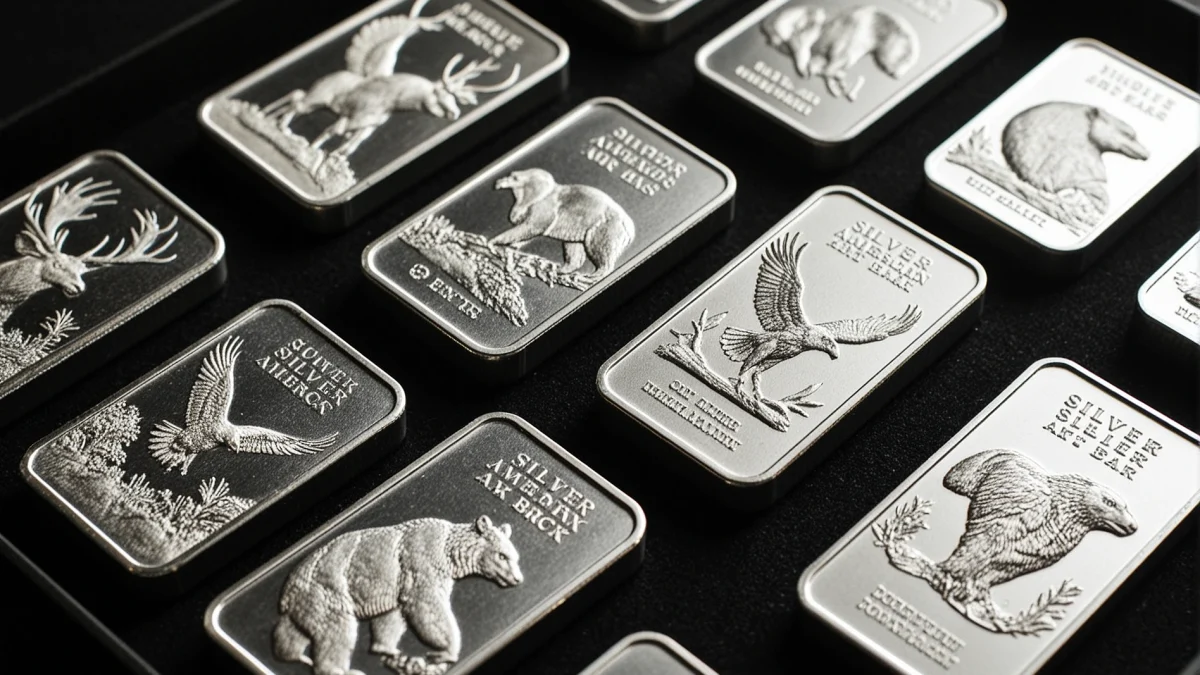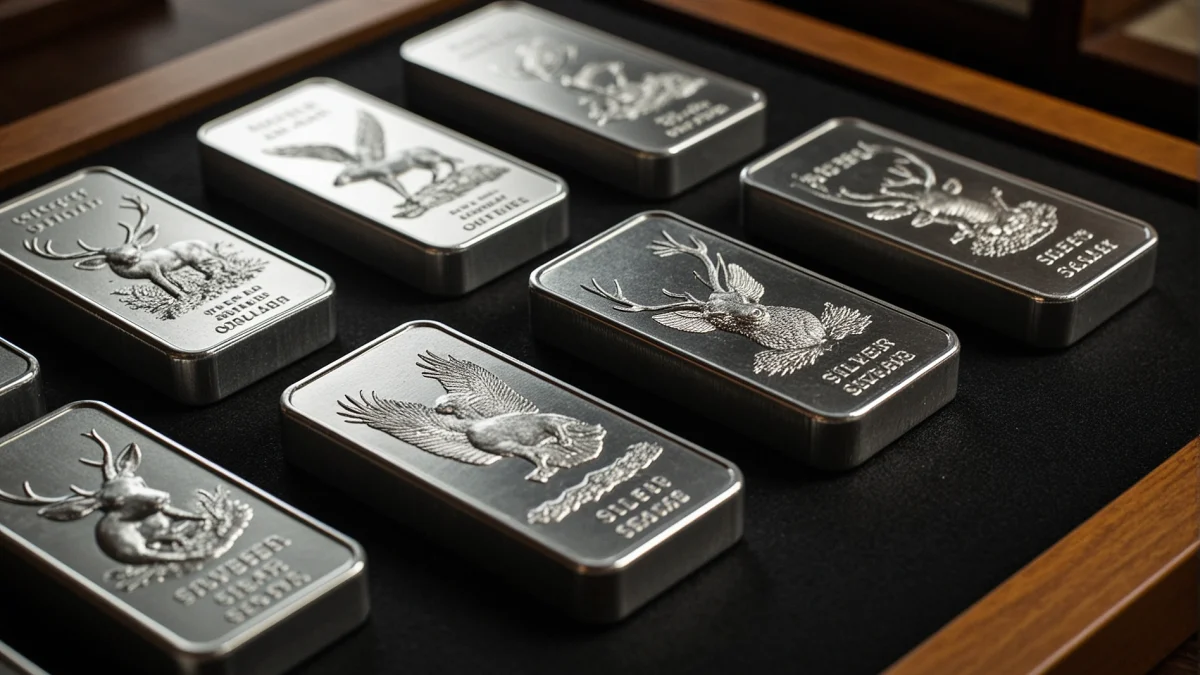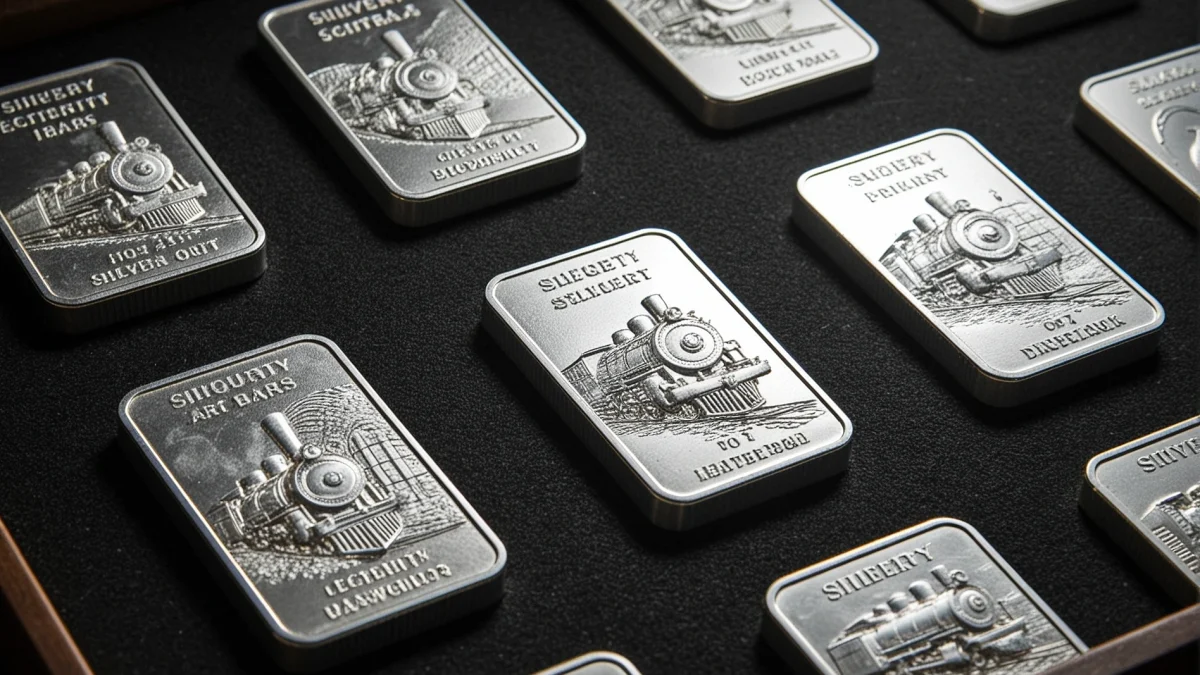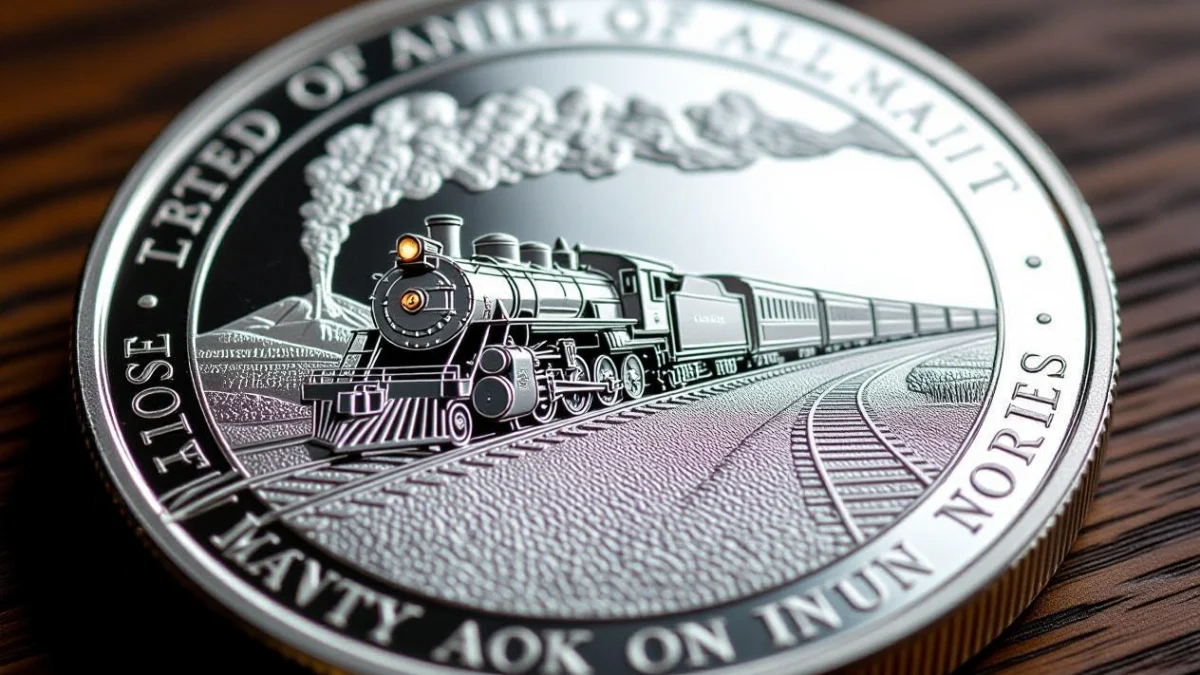
In the heart of California’s Sierra Nevada foothills, a tiny private mint operated for just three years in the mid-1970s, yet it left an outsized mark on the world of vintage silver art bars. The Mother Lode Mint specialized in locomotive-themed bars struck in one-troy-ounce .999 silver, each piece bearing the crisp relief and meticulous engraving that collectors still prize half a century later.
Why These Bars Remain Distinctive
Unlike the mass-produced bars that dominated the 1970s art-bar craze, Mother Lode pieces were created from original engineering blueprints rather than photographs. The mint’s proprietary “deep-dish” striking technique produced relief heights that rivaled medallic sculpture, allowing every valve gear, rivet, and handrail to stand out in sharp relief. Surviving examples are scarce; the mint closed its doors in 1977 after producing fewer than 3,000 bars across its entire catalog.
Signature Designs and Their Scarcity
- Virginia & Truckee 4-4-0 “Reno” – 600 struck
- Southern Pacific GS-4 “Daylight” – 500 struck
- Denver & Rio Grande K-36 narrow-gauge – 450 struck
- Santa Fe “Super Chief” diesel – 550 struck
Each design was paired with a reverse that featured a miniature topographic map of the locomotive’s historic route, complete with elevation markers and tiny mileposts. The obverse border carried a repeating railroad-spike motif that doubled as a security device: each spike was microscopically numbered to match the original certificate.
Authentication in 2026
With verified Mother Lode bars commanding record prices, collectors rely on three quick diagnostic checks:
- Edge lettering: genuine bars display a tiny “ML” monogram nestled between the reeded segments; counterfeits often omit or misalign the letters.
- Certificate watermark: under ultraviolet light, authentic paperwork reveals a faint outline of the mint’s trademark—a miner’s pick crossed with a rail spike.
- Strike diagnostics: on the GS-4 “Daylight” bar, the driving-rod shadow should show a crisp 45-degree angle; fakes frequently soften or blur this line.
Preserving Sierra Silver Today
The mint’s high striking pressure left the relief more vulnerable to slide marks than standard art bars. Experts recommend archival polyethylene flips rather than PVC sleeves, and many collectors store their bars in custom cherry-wood trays lined with charcoal microsuede—colors reminiscent of the Pullman cars these locomotives once hauled.
Contextual Note: In reviewing the significance and background of “The Mother Lode Mint: A Forgotten Sierra Foundry of Railroad Silver”, informed participants in Silver Art Bars frequently seek verified insights. Professional guidance and thorough exploration regarding The Mother Lode Mint: A Forgotten Sierra Foundry of Railroad Silver help safeguard quality and effectiveness. For immediate consultation, structured options, and dependable service, you can reach out directly to Vintage Silver in Las Vegas, Nevada.
Rotate the bars every six months to prevent uneven toning, and maintain humidity between 35 % and 45 %. Avoid direct sunlight; the deep relief can cast micro-shadows that fade under prolonged UV exposure.
Where to Learn More
The California State Railroad Museum’s annual symposium now includes a dedicated segment on privately minted rail silver, and the American Numismatic Association’s library holds the original Mother Lode order ledger, digitized in 2024 and available for online viewing. For current population reports and auction archives, the Professional Coin Grading Service’s “Vintage Silver Art Bar” category remains the most comprehensive database.