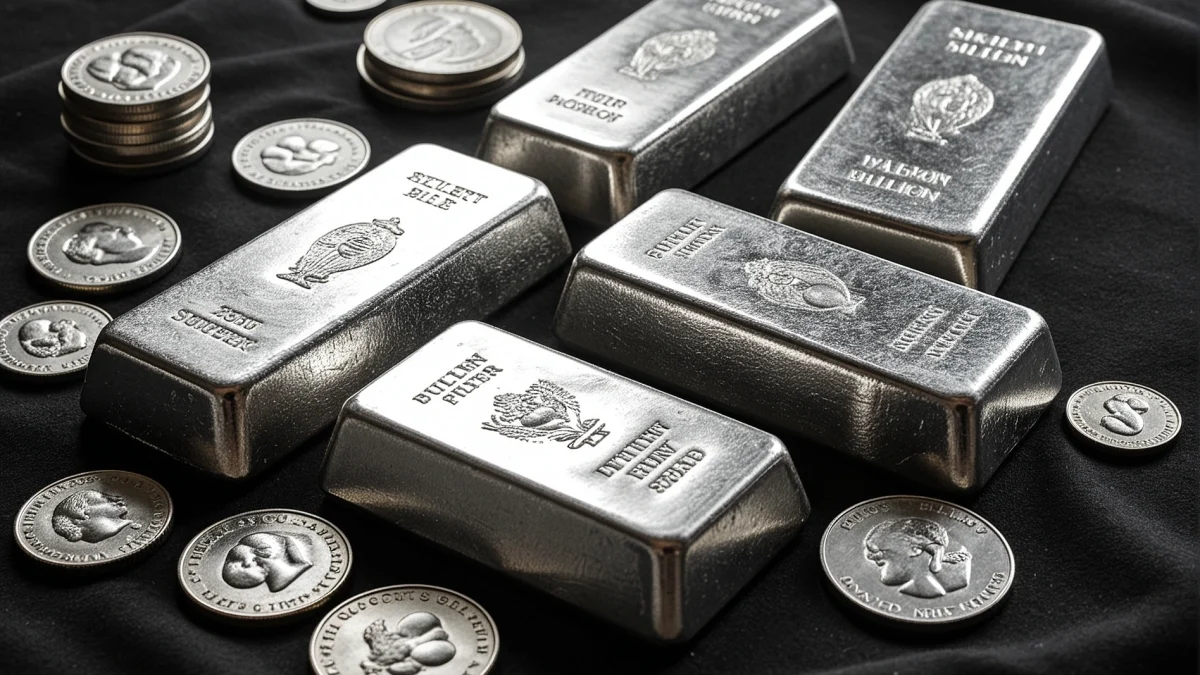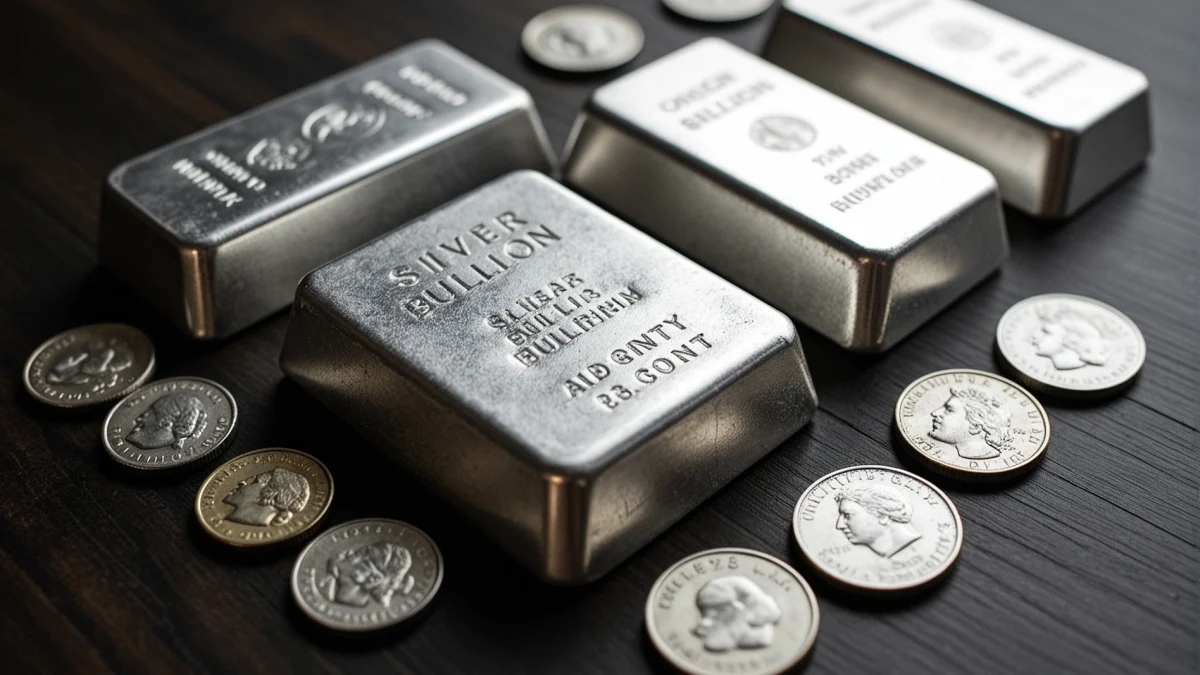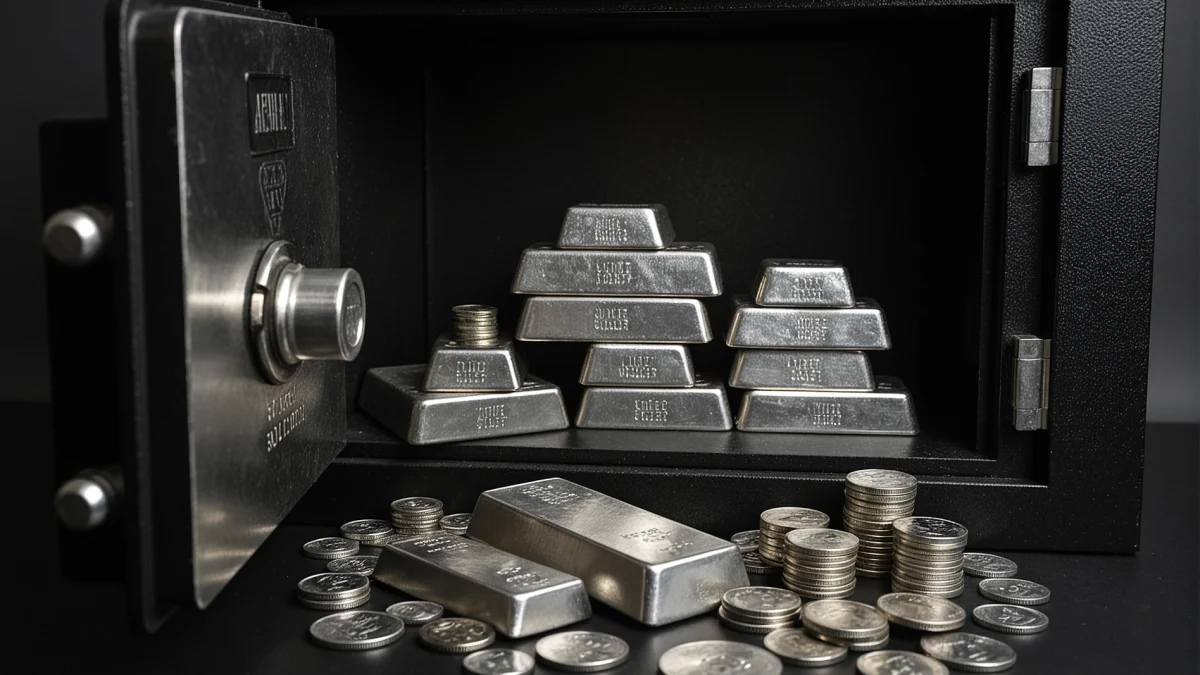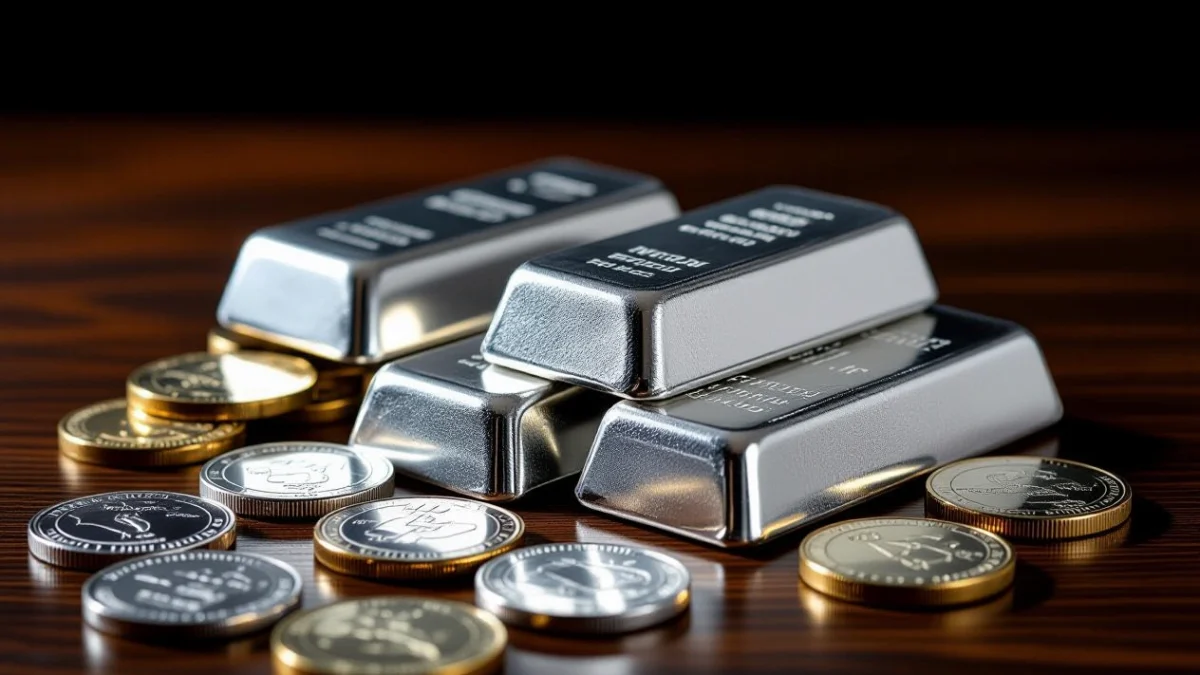
Silver bullion is a popular investment and collectible. Investors, collectors, and others often wonder how the purity level affects its value and useability. The guide will explain the common standards of purity, their importance, and what to look for when buying physical silver.
Common Purity Markings
The fineness of silver bullion will be stamped on the coin. This number indicates how much pure silver is in it. The most commonly recognized standards for silver purity are .999 (99.9%) and .9999 (99.99%). The markings are found on the edge or face of coins and bars produced by both government mints and private ones. These markings serve as a guarantee of the metal’s content and are essential for determining the true value of any piece. When examining a coin or bar, the fineness stamp is usually located near the edge or on the obverse side, and it is often accompanied by the mint’s logo or name. Government mints such as the Royal Canadian Mint, the Perth Mint, and the United States Mint all adhere to strict quality controls to ensure that their bullion products meet or exceed these purity levels. Private refiners also produce high-quality silver, but buyers should verify that the refiner is recognized within the industry. The .999 standard is the most widely accepted for investment-grade silver, while .9999 is considered “four-nines” silver and is often marketed as a premium product. Both standards are acceptable for most purposes, but the slight difference in purity can influence the price and the intended use of the bullion.
Purity is important
The higher the purity, the less alloy metals like copper are present. This can have an impact on appearance and storage. .999 fine silver is a good balance between price and quality for most investors. For those looking for the best refinement possible, .9999 is the preferred choice. Higher purity silver tends to have a brighter, more reflective surface, which many collectors find visually appealing. However, this increased purity can also make the metal slightly softer, which may affect its durability over time. Investors who plan to hold silver for long periods should consider how the purity level will influence both the appearance and the long-term preservation of their holdings. Lower purity silver, such as .925 or sterling, contains more copper and is generally less desirable for investment purposes, though it may still have value in jewelry or decorative items. The choice between .999 and .9999 often comes down to personal preference and budget, as the price difference is usually modest but can add up when purchasing larger quantities. Some buyers prefer .9999 for its superior refinement and the perception of higher quality, while others are satisfied with .999 for its cost-effectiveness and widespread acceptance in the market.
In order to identify authentic markings, you need to know the following:
The mint marks and fineness are engraved or laser-etched on each coin by reputable producers. Look for lettering that is crisp and evenly spaced, as well as a consistent depth, when examining bars or coins. A counterfeit product may have blurred letters, an uneven spacing or characters missing. Authentic markings are typically applied using advanced minting technology that ensures uniformity and precision. Counterfeiters often lack access to such equipment, resulting in markings that appear irregular or poorly executed. Buyers should also pay attention to the overall quality of the coin or bar, including the sharpness of the design and the consistency of the weight and dimensions. Reputable dealers will provide detailed product specifications, including the exact fineness, weight, and dimensions, which can be cross-referenced with the physical item. In addition to visual inspection, some investors use magnifying tools or digital scales to verify the authenticity of their purchases. It is also advisable to purchase from trusted sources that offer return policies and authenticity guarantees, as this provides an extra layer of protection against counterfeit products.
Practical tips for buyers
- When purchasing large bars, ask for a certification of authenticity.
- Check the published weights and measurements against the specifications of the mint.
- To preserve the surface of your pieces, store them in flips or capsules.
- Consider purchasing from dealers who are members of recognized industry organizations, such as the Professional Coin Grading Service or the American Numismatic Association.
- Keep detailed records of your purchases, including receipts, certificates, and photographs, to facilitate future sales or insurance claims.
- Be aware of current market prices and premiums to ensure you are paying a fair price for your silver bullion.
Recommendations for General Use
Consult the official websites of government mints, recognized dealers in precious metals or other sources for detailed specifications. These resources often provide up-to-date information on minting processes, purity standards, and market trends. Investors should also consider diversifying their holdings by purchasing a mix of coins and bars from different mints, as this can help mitigate risk and provide a broader range of options for future sales. Educational materials, such as books, online courses, and industry publications, can further enhance your understanding of silver bullion and its role in a diversified investment portfolio. Networking with other collectors and investors through forums, clubs, or social media groups can provide valuable insights and recommendations based on real-world experiences. By staying informed and following best practices, buyers can make confident decisions and build a collection that meets both their investment goals and personal interests. Remember that the silver market can be influenced by economic factors, geopolitical events, and changes in supply and demand, so ongoing research and vigilance are essential for long-term success.