Investors and collectors often focus on the purity of silver bullion because it directly affects value, liquidity, and resale options. Purity refers to the amount of pure silver contained in a bar or coin, expressed as a percentage or fineness rating. Understanding these ratings is essential for anyone entering the precious metals market, as even small differences in fineness can influence both purchase price and long-term returns. Buyers who overlook purity specifications may find themselves paying more than necessary or struggling to sell their holdings at fair market value.
Common Purity Levels for Silver Bullion
Most modern silver bullion products are produced at .999 fine, meaning 99.9 percent pure silver. Some government-minted coins reach .9999 fine, while older or historical pieces may be .900 or .925 fine. Each level has its own market acceptance and pricing structure. The .999 standard dominates contemporary production because it balances cost-effective refining with broad acceptance among dealers and investors worldwide. Government-issued coins that achieve .9999 fineness often carry slightly higher premiums, reflecting both the additional refining steps and the assurance of superior purity. Conversely, older coins at .900 or .925 fineness appeal mainly to numismatists who value historical context over maximum silver content. These varying standards create a tiered marketplace where investors can choose products aligned with their goals, whether that means stacking large quantities at minimal premiums or assembling a diverse collection of vintage pieces.
How Purity Is Marked on Bullion
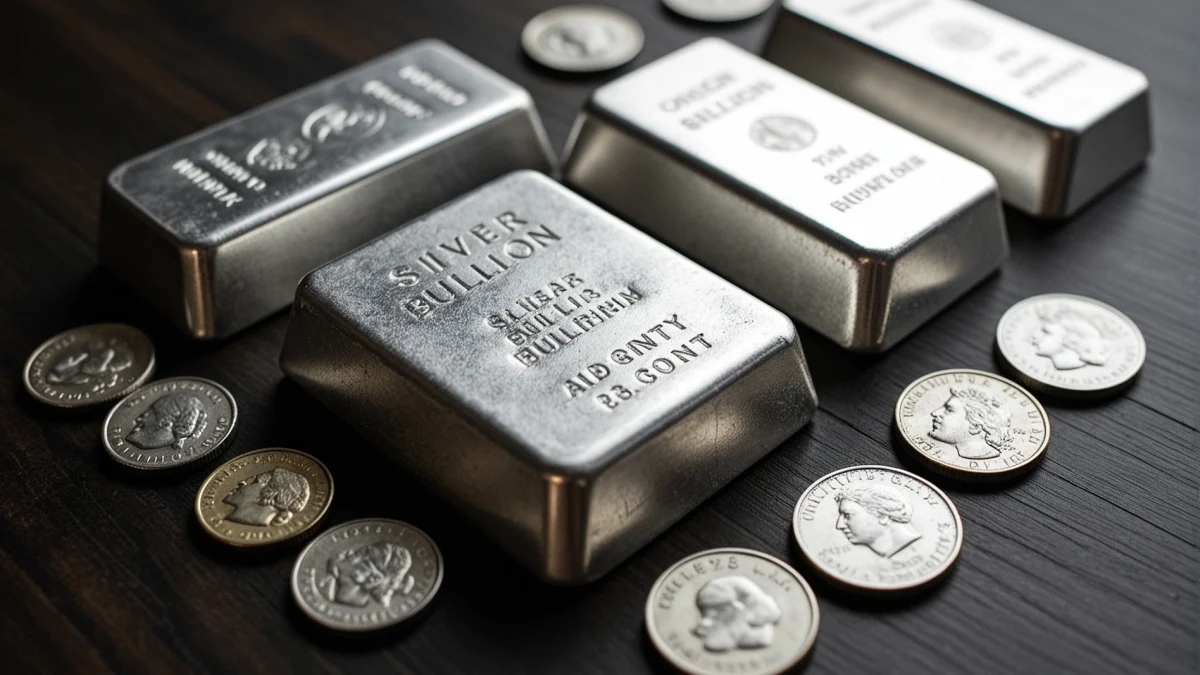
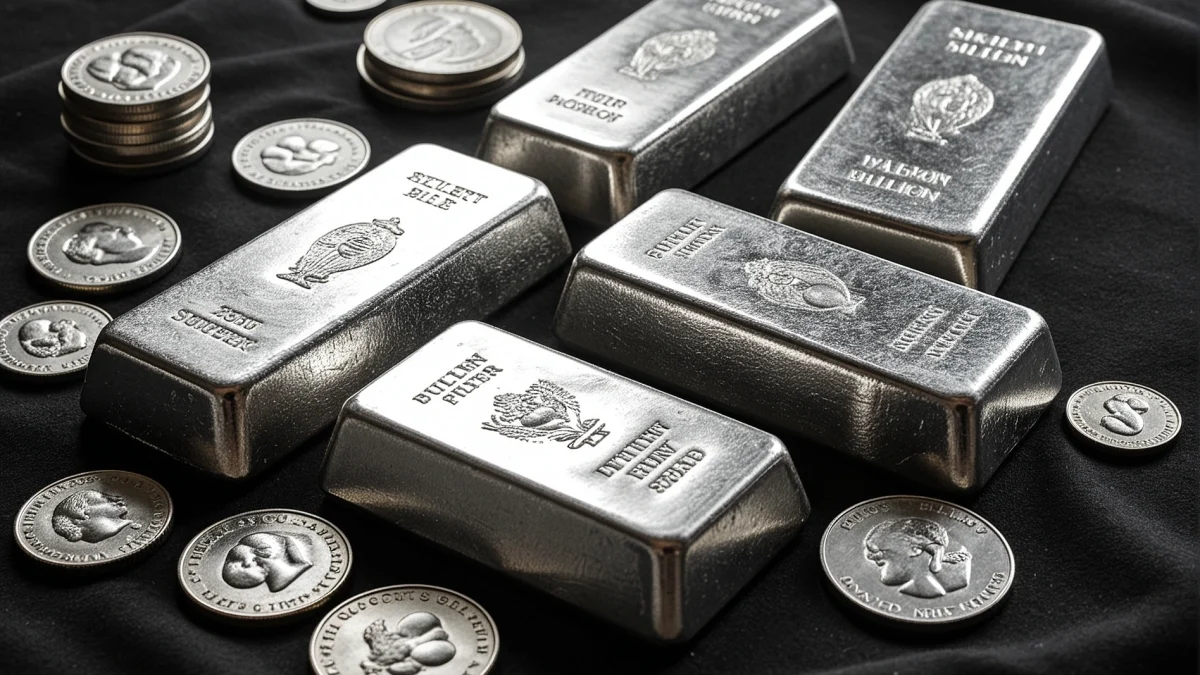
Manufacturers stamp purity directly on the surface of bars and coins. Typical markings include .999, .9999, or 999+ along with the mint name or logo. These stamps are applied during production using precise dies that leave a permanent impression. The placement and style of these markings can also serve as authenticity indicators; reputable mints use consistent fonts, spacing, and positioning that counterfeiters often fail to replicate exactly. In addition to the numerical fineness, many products include a unique serial number or assayer’s mark that further aids traceability. Collectors frequently examine these details under magnification to detect any signs of tampering or alteration, reinforcing the importance of buying from trusted sources that maintain transparent minting records.
Why Purity Matters for Investors
Higher purity generally commands a lower premium over spot price because refiners and dealers incur fewer processing costs. Coins and bars with lower fineness may trade at deeper discounts when sold back, reflecting the additional refining steps required. For large-volume investors, even a 0.1 percent difference in fineness can translate into meaningful savings or losses over thousands of ounces. Moreover, certain exchanges and funds impose minimum purity requirements, meaning lower-grade bullion may be excluded from institutional channels altogether. Understanding these dynamics helps investors align their purchases with both personal objectives and broader market liquidity considerations.
Testing Purity at Home and Professionally
- Visual inspection of markings and surface quality
- Weight and diameter measurements against published specifications
- Sigma metalytics or X-ray fluorescence scanning by dealers
- Acid testing performed by professional assayers
Storing High-Purity Bullion
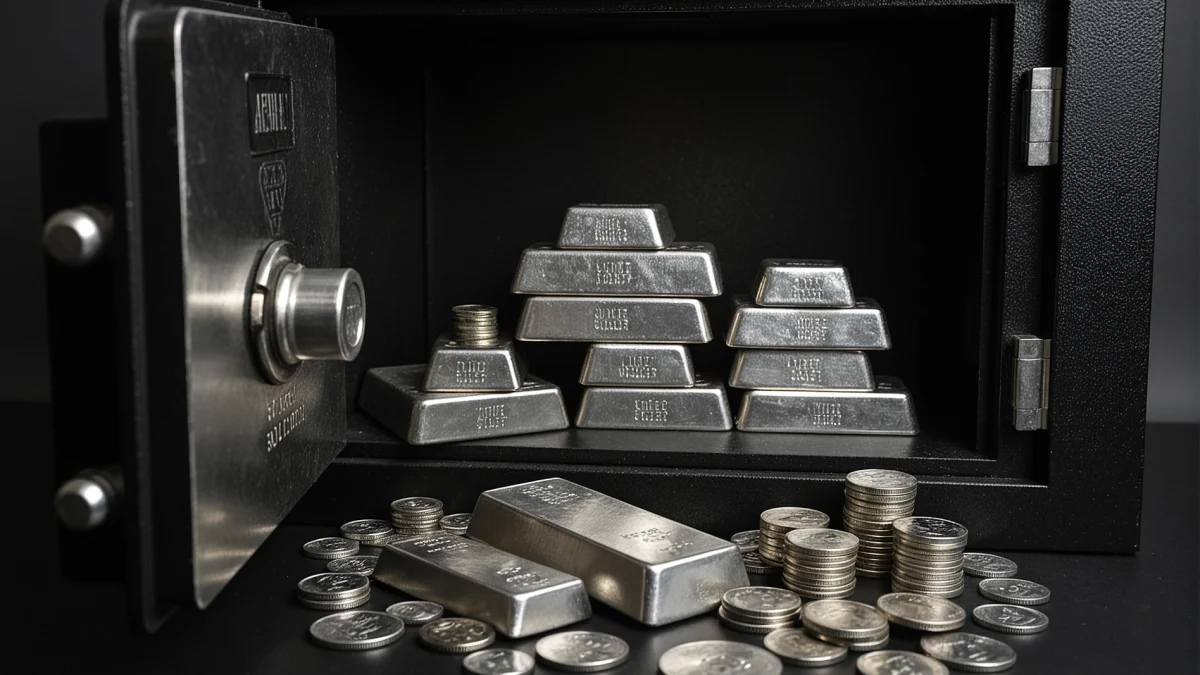
Once purity is confirmed, owners often place products in protective capsules, flips, or sealed tubes. These containers prevent tarnish and surface damage while keeping the stamped purity markings visible for future verification. Proper storage also guards against environmental factors such as humidity and temperature fluctuations that can accelerate oxidation. Many serious stackers invest in desiccants or humidity-control packs inside their storage containers to further safeguard their holdings. Insurance considerations may also come into play; some policies require documented proof of purity and secure storage methods before covering losses from theft or damage.
General Recommendations
Review current purity specifications on the websites of major government mints and recognized private refiners before purchasing. Always compare stamped markings against published data sheets to confirm authenticity. Keeping digital photographs of each item’s markings and serial numbers can expedite insurance claims or resale negotiations. Finally, establishing relationships with multiple reputable dealers provides fallback options if one source experiences inventory shortages or pricing anomalies, ensuring investors can act quickly when favorable market conditions arise.