Collectors of antique silver know that the hallmarks reveal the piece’s age, origin and maker. These small symbols can transform ordinary items into treasures that have documented histories.
Language of Hallmarks
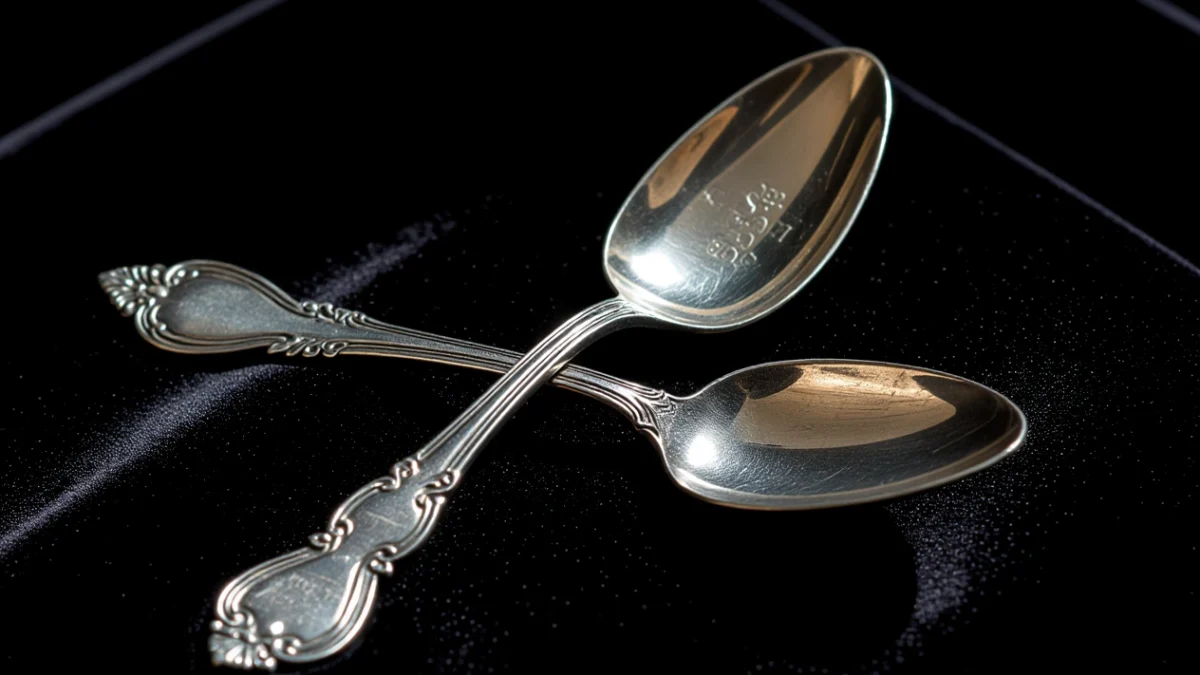
Each antique piece is marked with a number of distinctive marks. These tell the story of that particular silver. British hallmarks include the lion passant to indicate sterling, the date letter to show the assay year, and the maker’s marks. American silver is often marked with a maker’s mark and purity indicator such as “Sterling”, “925” or similar.
Common Hallmark Elements
- purity markings indicating silver content or words
- Assay Office symbols Identification of the place where the item was certified and tested
- Date Codes using numbers, letters or shapes to indicate the manufacturing year
- Maker’s Marks Displaying initials, symbols or the full name of a company
Authentic and Reproduction Marks: How to Tell the Difference
Rarely are reproductions as authentic and detailed as the original antique marks. Genuine marks have sharp edges and are usually crisp. They also show natural wear patterns that correspond to the age of the item. Stamping depth and style should be consistent with the age of the piece. Older pieces will have irregularities due to hand-stamping.
Placement of marks should be carefully examined. Marks on authentic pieces are usually logically placed, and often along the edges or on the backside of the item. Marks on reproductions can be in unnatural locations, or may have inconsistent spacing.
Researchers Tools
Reference materials that are reliable and accurate will help you identify marks correctly. Guides to hallmarks from specific periods and areas provide illustrations and detailed descriptions. Silver collecting societies maintain online databases that allow you to search archives of makers’ marks with their histories.
Antique dealers and appraisers in your area can offer practical assistance with difficult identifications. They have access to extensive reference materials and are experienced in identifying genuine reproductions from period marks.
Essential Identification Steps
- Take photos of all marks visible in good lighting
- Take note of the style, decorative elements, and construction techniques.
- Check marks with authenticated references
- Look at the provenance of your piece and its documented history
- When in doubt, consult with an experienced collector or professional appraiser.
Maintaining Mark Integrity
Protect the integrity of a hallmark by storing and handling it properly. Abrasive methods of cleaning can wear away the stamped mark over time. Storing pieces in materials free of acid will prevent any chemical reaction with the surface.
Recommendations for General Use
Visit the Silver Collectors Society or the Metropolitan Museum of Art online collection database for more information.