In 1877, John W. Mackay, one of the four Silver Kings who amassed fortunes from Nevada’s Comstock Lode, shipped nearly 1,000 pounds of silver bullion mined from the Consolidated Virginia and California mines to Tiffany & Co. in New York City. His wife, Marie Louise, desired an elaborate dining service that would reflect the immense wealth generated by the Big Bonanza discovery of 1873.
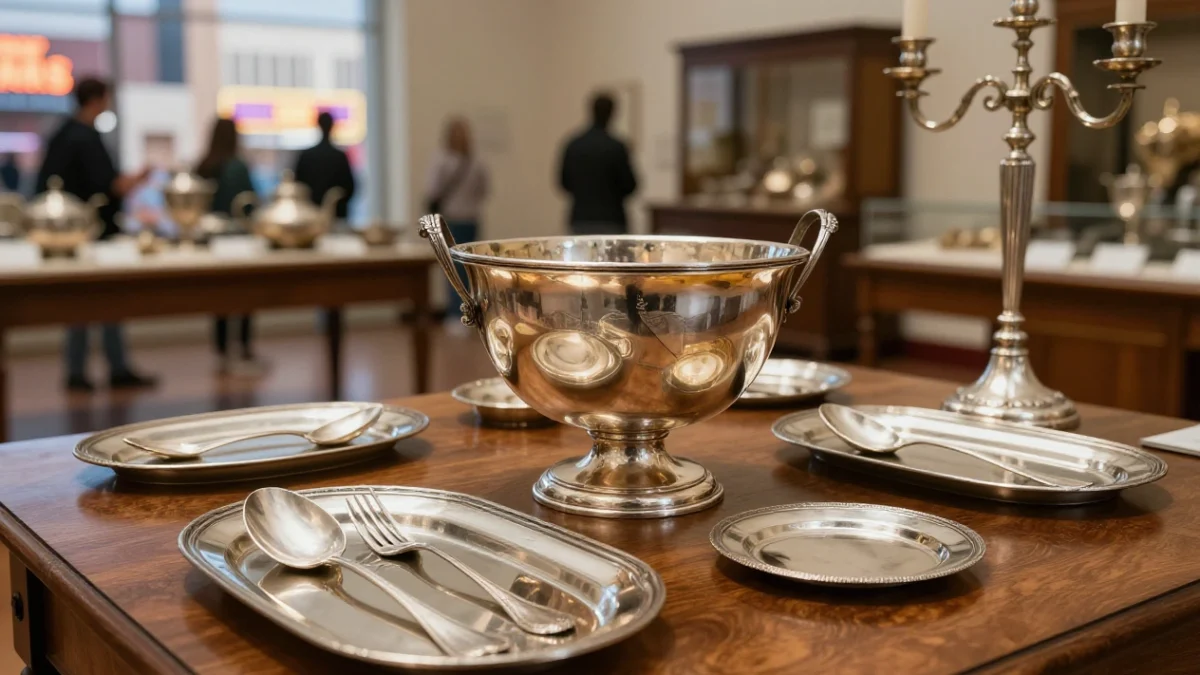
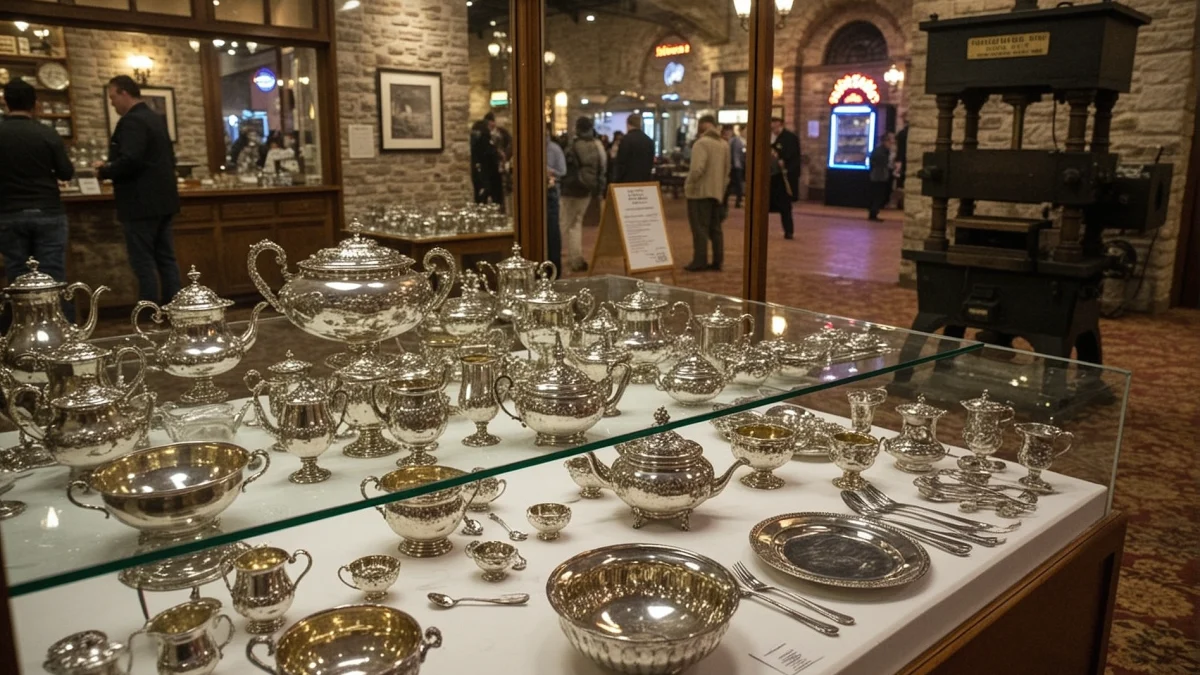
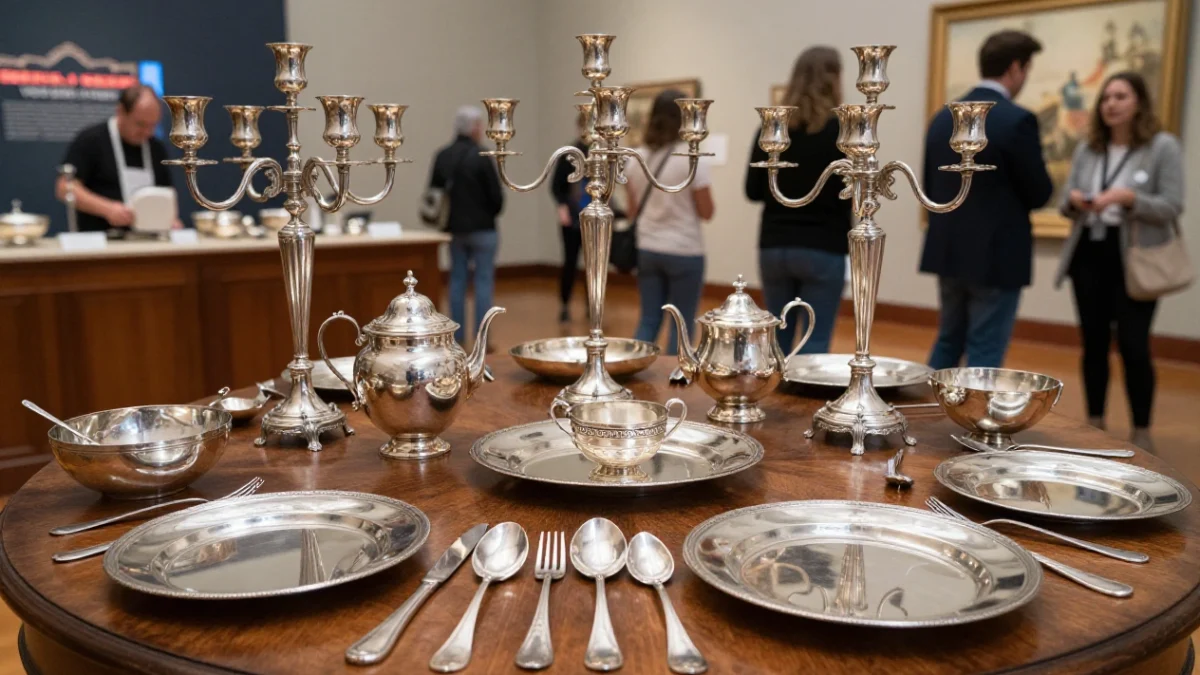
Tiffany craftsmen, under the supervision of Edward C. Moore and a team of about 200 silversmiths, spent roughly two years transforming the raw Comstock silver into a 1,250-piece dinner and dessert service for 24 people. The set included place settings with plates, knives, spoons, forks, cups, and saucers, along with larger serving pieces such as soup tureens, vegetable dishes, champagne coolers, wine goblets, candelabras, and specialized items like ham bone holders and silver siphons.
Design and Craftsmanship of the Mackay Service
The Mackay silver service featured ornate decorations drawn from botanical and international motifs, including wildflowers, thistles, roses, clovers, cherry blossoms, elephant trunks, dragons, and East Asian patterns. Pieces were created using spinning, casting, and other metalworking techniques, resulting in highly detailed surfaces that showcased the silversmiths’ skill.
One standout element was a pair of massive candelabras, with one reaching 36 inches tall and holding 29 candles. Upon completion in 1878, John Mackay purchased the original dies used to form the pieces, ensuring the service could never be duplicated. The set was first unveiled at the 1878 Paris Exposition, where observers noted it as a monument to the owner’s wealth.
Comstock Silver Origins and Historical Context
The silver originated from the Comstock Lode near Virginia City, Nevada, the largest high-grade silver deposit discovered in North America. Between 1862 and 1953, the mines produced millions of kilograms of silver, with the majority extracted in the first two decades after the 1859 discovery. The 1873 bonanza at the Consolidated Virginia mine alone generated enormous dividends, elevating Mackay and his partners to extraordinary wealth.
Early mining techniques evolved rapidly on the Comstock, including square-set timbering to prevent cave-ins in the wide ore seams and the use of dynamite and pneumatic drills. These innovations supported the extraction of ore that funded grand projects like the Mackay service. The service’s creation directly tied the raw output of Nevada mines to the refined artistry of Tiffany & Co.
Las Vegas and Nevada Connections to Comstock Silver
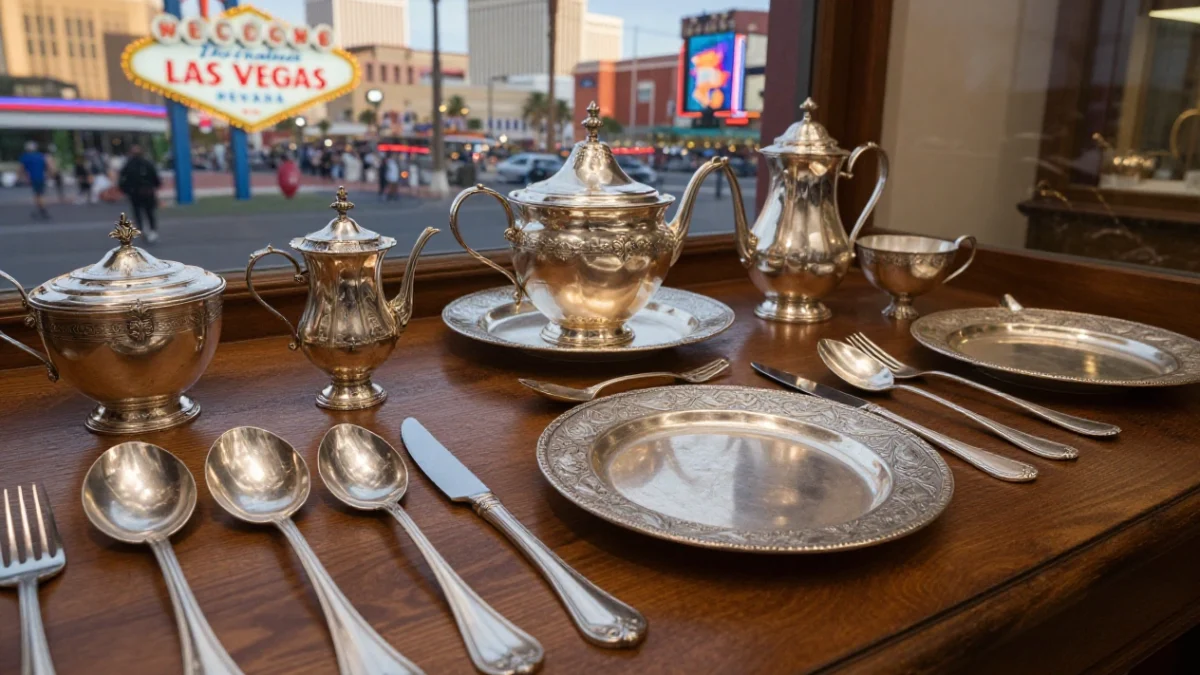
While the Mackay service itself resides in collections such as the Nevada State Museum in Carson City and the Mackay School of Mines at the University of Nevada, Reno, its story resonates with Las Vegas through the broader legacy of Nevada silver. The USS Nevada battleship silver service, crafted from 5,000 ounces of silver mined in Tonopah and trimmed with Goldfield gold, toured the state in 1914, stopping in Las Vegas among other cities and drawing 40,000 viewers from a state population of about 80,000.
Las Vegas collectors and historians often connect mid-century casino culture to earlier Nevada mining heritage, though documented hotel silverplate from specific Strip properties remains limited in public records. The Comstock-era pieces represent the foundational silver wealth that helped shape Nevada’s identity, including its capital in Carson City and modern collecting interest in the state.
Collector Notes on the Mackay Service
- Approximately 1,250 pieces were produced from Comstock silver.
- The service included unusual functional items such as cigar holders with built-in lighters and a sleigh-shaped wine bottle holder with rollers.
- Portions of the set have been exhibited at institutions including the Museum of the City of New York and the Metropolitan Museum of Art.
- Surviving pieces demonstrate the high purity and craftsmanship standards of Tiffany sterling silver from the late 19th century.
Preserving and Appreciating Comstock-Era Silver
Collectors interested in Comstock-connected silver should prioritize provenance documentation and examine pieces for hallmarks or maker marks from Tiffany & Co. Proper storage in climate-controlled environments helps maintain the integrity of these historical objects, which embody both Nevada mining history and American silversmithing excellence.
Visiting Nevada institutions such as the Nevada State Museum in Carson City offers direct encounters with related silver artifacts, providing context for understanding how Comstock wealth translated into enduring works of art. This approach allows enthusiasts worldwide to connect with the tangible legacy of Nevada’s silver past.