Scandinavian Silver Flatware in the Mid-Century
Scandinavian flatware from the mid-20th century is a popular choice for collectors who are looking for elegant simplicity. The pieces are a combination of clean lines and exceptional workmanship, which reflects the new design philosophy that was introduced after 1950. Flatware is typically tapered with minimal ornamentation and minimal handles, which allows the metallic luster to show through. The appeal of these pieces lies not only in their understated beauty but also in their ability to integrate seamlessly into both modern and traditional table settings. Collectors often find that these utensils retain their charm even decades after their creation, a testament to the thoughtful craftsmanship that went into every detail.
The Key Characteristics of Design
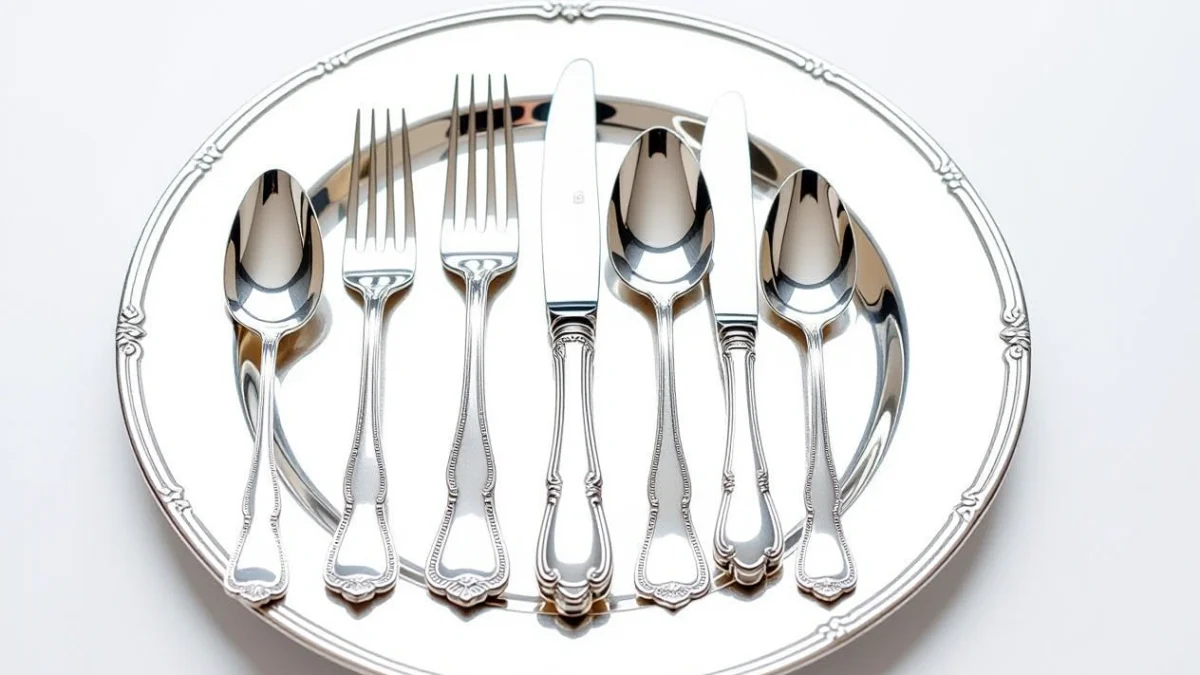
Scandinavian flatware of this period is characterized by several distinct characteristics. The majority of pieces have a matte or brushed finish, rather than a high-polish. Handles are geometrically proportioned with slight curves to fit in your hand. Sets often include pieces that are designed for entertaining in the modern age, like long-handled cake servers or compact salad servers. Beyond these features, the design philosophy emphasizes ergonomics, ensuring that each utensil feels comfortable during extended use. The brushed finishes not only reduce fingerprints but also highlight the natural texture of the silver, giving each piece a unique character. This approach to design was revolutionary at the time, as it moved away from the ornate styles of earlier centuries and embraced a more functional, user-centric aesthetic.
Furthermore, the proportions of these utensils were carefully considered to balance visual appeal with practicality. The slight curves in the handles are not merely decorative; they are engineered to provide a secure grip, reducing the likelihood of slippage during meals. This attention to detail is one of the reasons why Scandinavian flatware from this era remains highly sought after by both collectors and everyday users. The inclusion of specialized serving pieces, such as cake servers and salad tongs, reflects the growing trend of casual entertaining in post-war households, where versatility and ease of use became paramount.
The Contributions of Notable Makers
During this time, Georg Jensen of Denmark produced patterns such as “Acorn” and “Cactus”. Swedish silversmiths from GAB, and Norwegian craftsmen at David Andersen produced complementary designs that stressed functionality as well as beauty. The makers stuck to traditional techniques of hand finishing while adapting their designs for the post-war market demand. Georg Jensen, in particular, became synonymous with quality and innovation, setting standards that influenced countless other manufacturers across Scandinavia. Their commitment to using only the finest materials ensured that each piece not only looked exquisite but also withstood the test of time.
GAB in Sweden brought a unique perspective to the table, often incorporating subtle geometric motifs that added visual interest without overwhelming the overall simplicity. Their designs were particularly popular among younger households looking to modernize their dining experiences. Meanwhile, David Andersen in Norway focused on creating pieces that could be passed down through generations, emphasizing durability and timeless style. The collaborative spirit among these makers fostered a vibrant design community, where ideas and techniques were freely exchanged, leading to a golden age of Scandinavian silver craftsmanship.
Building a Cohesive Collection
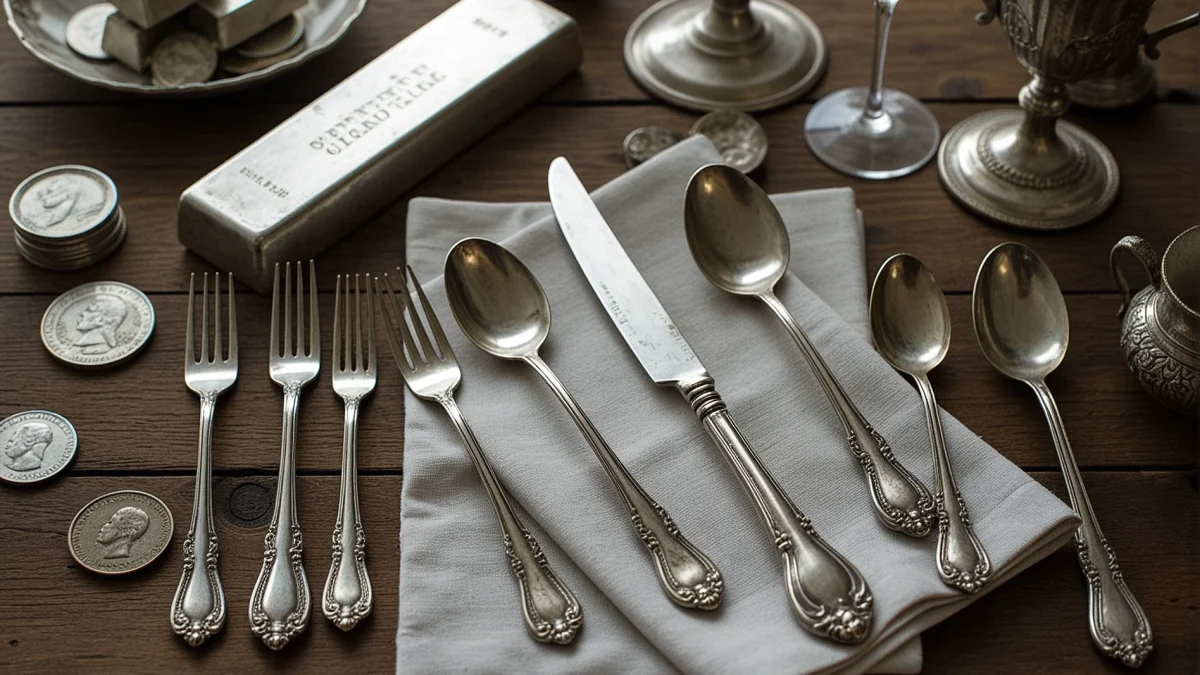
Before expanding, many successful collectors start with just six pieces. Start with the essentials like teaspoons and tablespoons. Later, you can add specialized pieces such as dessert spoons and fish forks. Verify that all pieces of a complete set are the same pattern. Building a collection in this manner allows enthusiasts to develop a deep appreciation for the nuances of each design before committing to larger acquisitions. It also provides an opportunity to learn about the subtle differences in weight, balance, and finish that distinguish one maker from another.
As collectors gain experience, they often find themselves drawn to specific patterns or makers, leading to more focused acquisitions. Some may choose to specialize in Georg Jensen’s iconic designs, while others might prefer the understated elegance of GAB or David Andersen. Regardless of personal preference, the key to a successful collection lies in patience and careful research. Taking the time to verify authenticity and condition can prevent costly mistakes and ensure that each addition enhances the overall harmony of the set.
General Recommendations
Visit the websites of reputable silver sellers with an authentication service, or museums that feature Scandinavian decorative art. Engaging with online communities and attending auctions can also provide valuable insights and opportunities to acquire rare pieces. Networking with fellow collectors often leads to the discovery of hidden gems and the sharing of restoration tips that preserve the integrity of these treasured items. Additionally, reading books and articles dedicated to mid-century Scandinavian design can deepen your understanding and appreciation of the cultural context in which these pieces were created.
Investing in proper storage solutions, such as anti-tarnish cloths and climate-controlled display cases, is essential for maintaining the condition of your collection. Regular cleaning with appropriate silver polish will keep your flatware looking its best, while avoiding harsh chemicals that could damage the finish. By following these recommendations, collectors can enjoy their Scandinavian silver flatware for many years, passing down both the physical pieces and the stories behind them to future generations.