Edwardian Silver Tea Services – Timeless Elegance For Collectors
Edwardian silversmithing was at its peak between 1901 and 1910. Silversmiths produced tea sets that were elegant and functional, setting standards still admired by collectors today.
Edwardian Silver Tea Service Characteristics
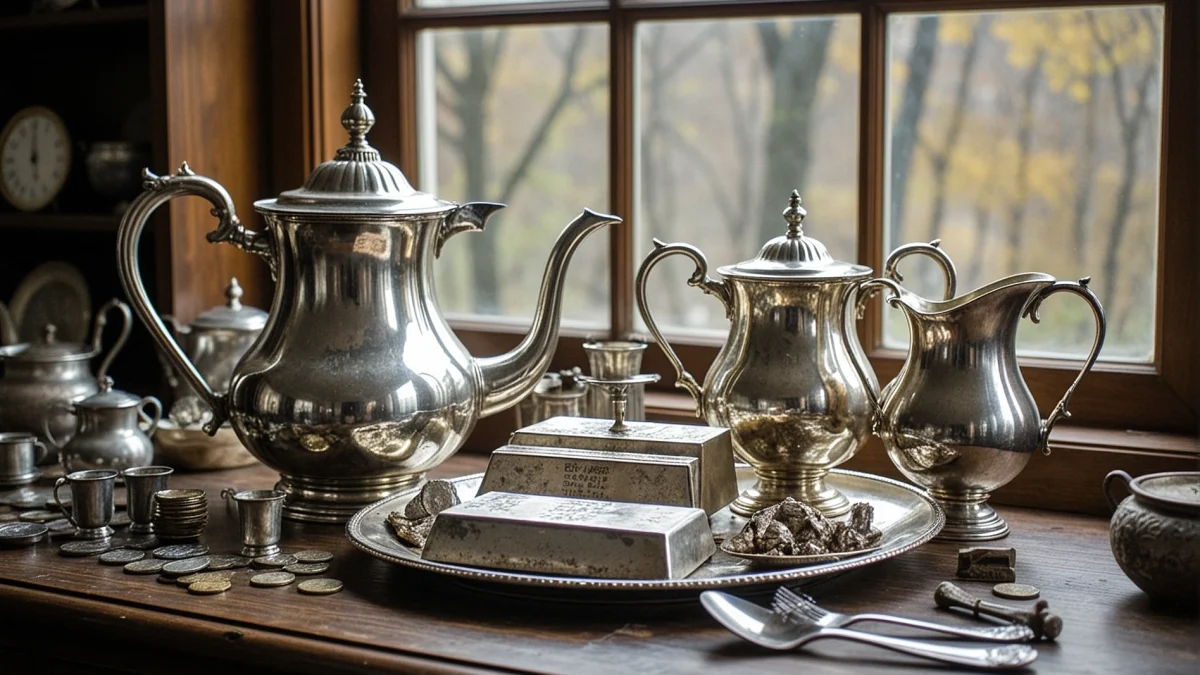
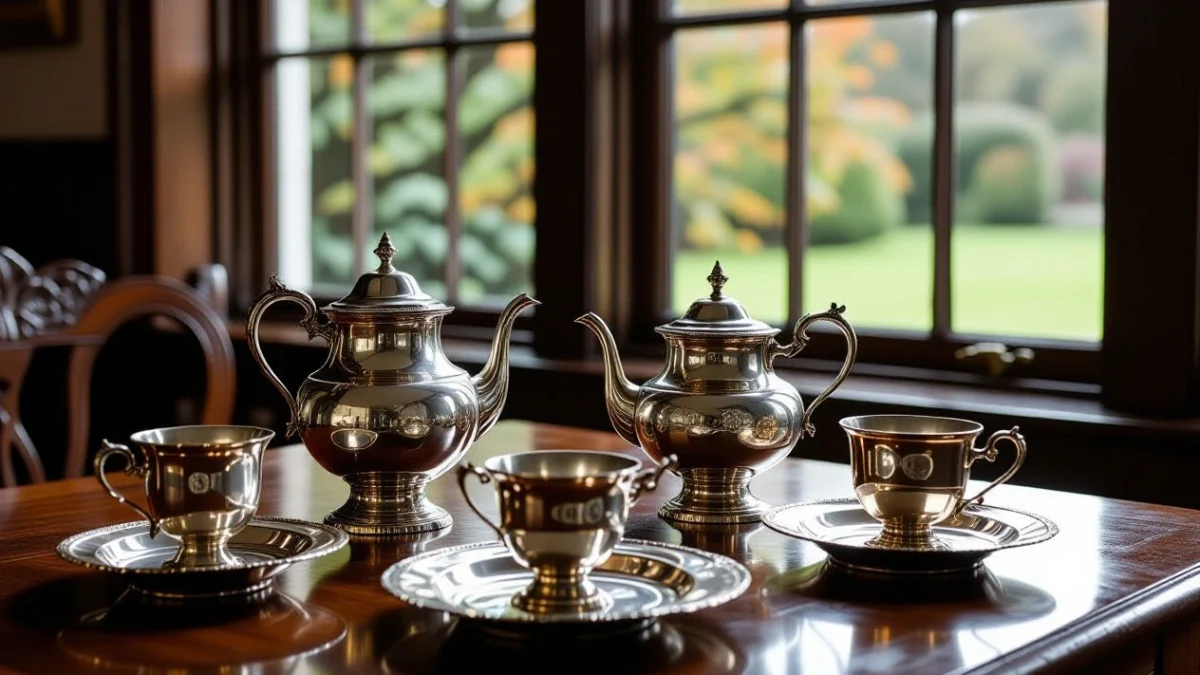
Edwardian tea service designs were characterized by graceful proportions, delicate details and a refined style. Sterling silver was the primary material used by silversmiths to create pieces with ornate decorations that were practical. Elegant spouts and comfortable handles were common design elements, as well as intricate engravings that reflect the sophisticated aesthetics of this period.
The most complete service consisted of the following: a coffee pot, teapot, cream jug and sugar bowl. Sometimes, a kettle was also included. All pieces had to be designed in harmony, with complementary decorative patterns and matching dimensions that gave the entire set a cohesive look.
The Contributions of Notable Makers
A number of prominent British companies produced Edwardian Tea Services. Elkington & Co., a pioneer in electroplating techniques that allowed high-quality silver to be more affordable, created unique pieces by the Barnard Brothers using hand-raised technique. Omar Ramsden, Alwyn Carr and other smaller workshops produced exceptional pieces in limited numbers that command high prices today at auction.
Silversmiths from London, Birmingham and Sheffield all developed distinct styles. London silversmiths tended to create pieces with more ornamentation, whereas Birmingham designers favored cleaner designs, which emphasized the form of their work over any embellishment.
Collection of Considerations
Condition is key when building an Edwardian collection of tea services. You should look for items with intact handles and minimal dent, as well as pieces that have clear marks that identify the maker and period. As well as original boxes and cases, pieces that have provenance documentation from notable estates add value.
It can often take many years to complete a piece of service, since individual pieces are frequently separated with time. Collectors often start with one exceptional teapot, and then gradually add matching pieces. They accept that perfection may not be possible.
Preserving and Display
Storage properly can prevent tarnish, physical damage and deterioration of value. Regular gentle cleaning, acid-free tissues, humidity control and proper handling of the silver will maintain its condition.
Silver can be displayed in a variety of ways, from glass cabinets with traditional fronts to floating shelves which highlight the reflective properties. Displaying pieces in rotation prevents tarnish and gives all objects equal exposure.
General Recommendations
Visit the Silver Society’s education resources and Christie’s and Sotheby’s specialized catalogs for more information on Edwardian Silver collecting.