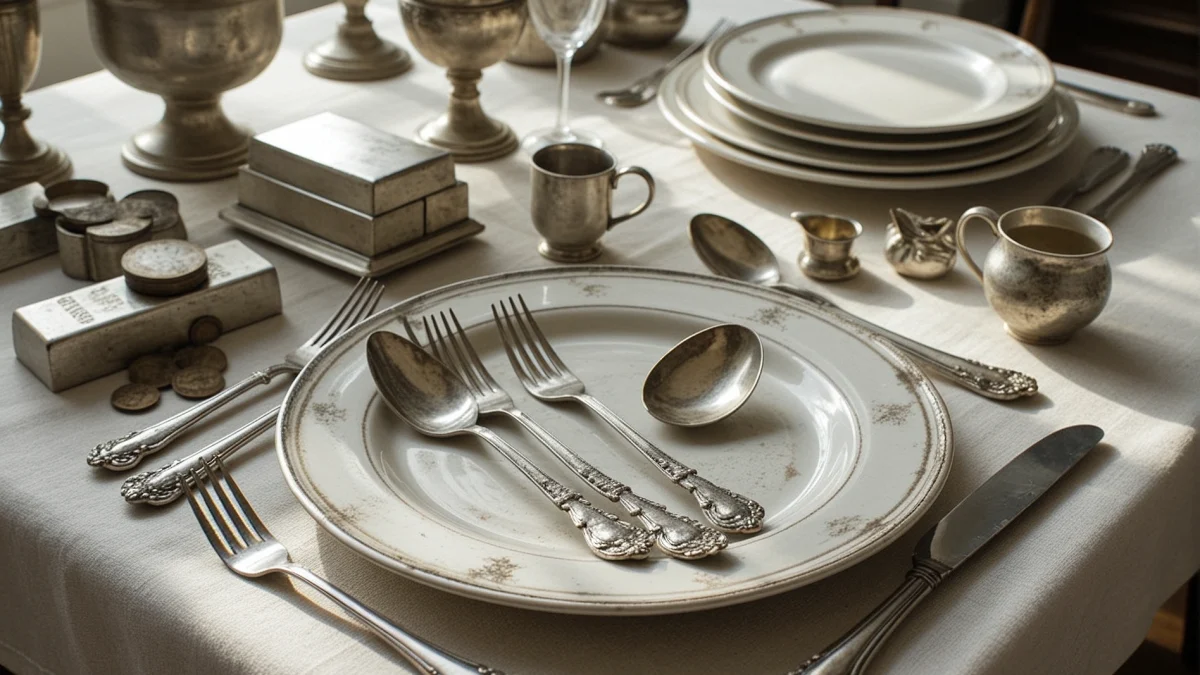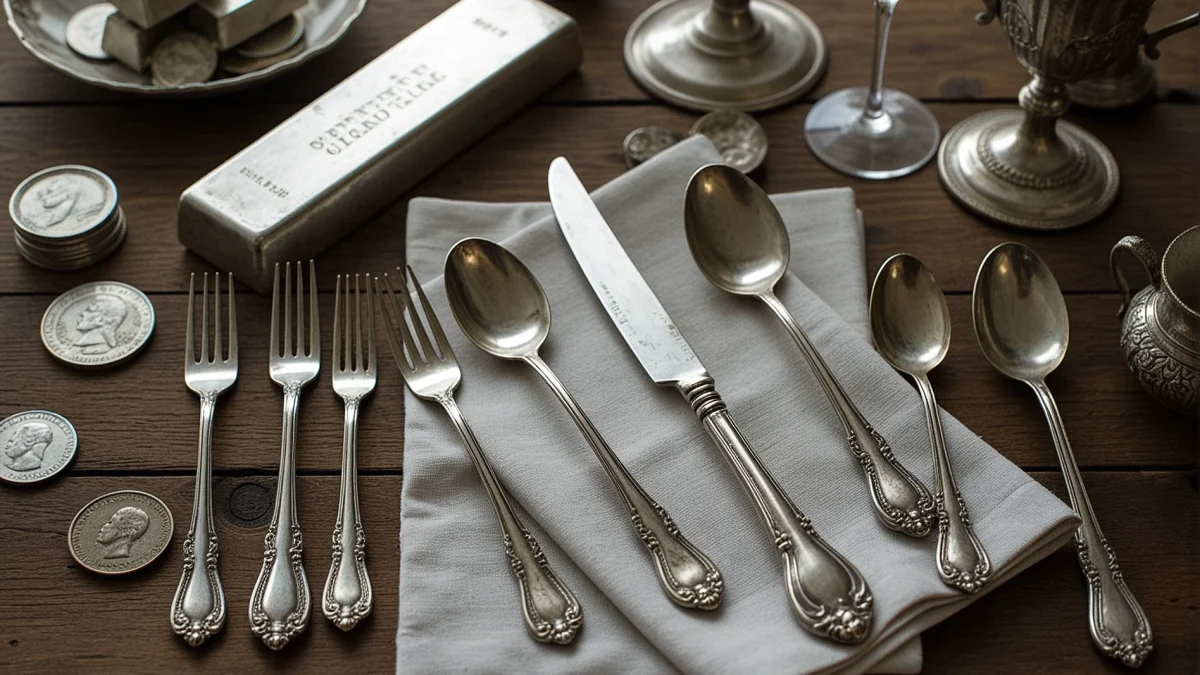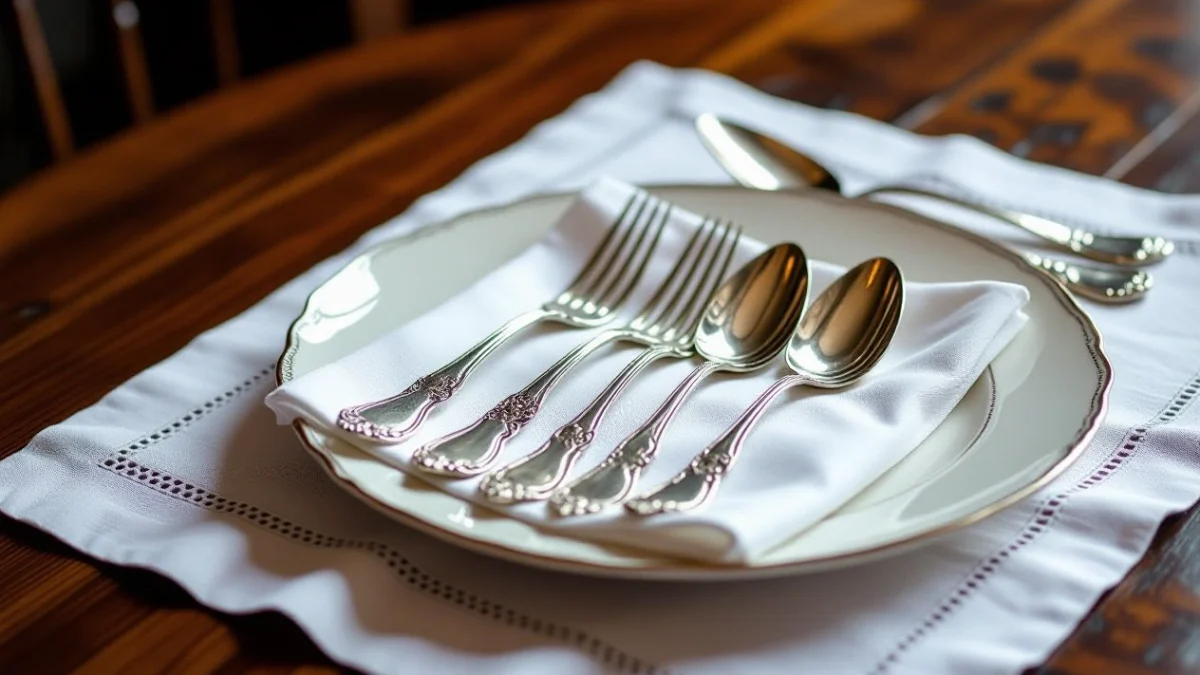
The mid-century flatware is a unique period of American design which continues to inspire collectors and entertainers even today. These pieces, which were produced primarily in the period between 1940 and 1960, combine functional elegance with clean geometric shapes that are suitable for both formal and informal dining. The era’s flatware reflects a broader cultural shift toward simplicity and utility, as post-war households sought items that were both beautiful and practical. Many of these designs remain popular because they capture the optimism and innovation of their time, offering a tangible connection to the mid-twentieth century’s aesthetic values.
Flatware of the Mid-Century Period: Design Features
Manufacturers of this period preferred minimalist shapes to ornate decorations. Handles tended to be tapered and smooth with subtle angles rather than intricate scrollwork. Patterns included simple ridges and stepped profiles as well as restrained sculptures that reflect the mid-century aesthetic. The emphasis on proportion and balance meant that each piece was carefully considered, resulting in utensils that feel comfortable in the hand while maintaining visual appeal on the table. This restrained approach to ornamentation helped define the era’s distinctive look, setting it apart from both the elaborate Victorian styles that preceded it and the more eclectic designs that followed.
Signatures of Common Manufacturers
In this time period, several American flatware companies were notable. Reed & Barton designed patterns that had balanced proportions, and were made of durable materials. Towle created designs that emphasized both the visual lightness as well as practical strength. International Silver provided accessible products that met quality standards and reached a wider market. Each manufacturer brought its own philosophy to the table, resulting in a rich variety of patterns and finishes. Collectors often find themselves drawn to particular makers, building cohesive sets that showcase the unique characteristics of each brand while still harmonizing as a collection.
Materials and Construction Qualities
Sterling silver and high-quality silverplate were the most common materials used to make flatware in mid-century. The hallmark on sterling pieces is.925, which indicates that the silver in these items contains 92.5 percent. Weighty pieces are often a sign of better workmanship, since manufacturers use more metal in order to balance the weight. The choice of material not only affected the appearance and feel of each utensil but also its longevity and value over time. Well-crafted pieces from this period often exhibit a pleasing heft that distinguishes them from lighter, less substantial modern alternatives.
Finding authentic examples
The reverse of the handles should be examined for any manufacturer’s marks or pattern names. The lettering and stamping on original pieces are usually clear. Genuine flatware develops a distinctive patina after decades of usage. Examining the details closely can reveal much about an item’s history and authenticity. Over time, the surface develops a soft luster that cannot be replicated by artificial means, adding character and depth to each piece. Careful inspection helps collectors avoid reproductions and ensures that their investment will stand the test of time.
Collections Considerations
It takes patience to build a set, since individual pieces are often sold separately at auctions and estate sales. Start with the essentials, such as tablespoons and forks. Then move on to more specialized pieces. Store your items in original or anti-tarnish boxes and cloths to maintain their condition. Building a collection gradually allows enthusiasts to appreciate the unique qualities of each utensil and to develop a discerning eye for quality and design. Many collectors enjoy the hunt as much as the ownership, finding satisfaction in the gradual completion of a harmonious set.
Integrating Contemporary Dining
The vintage items are suitable for both modern and traditional table settings. The understated design of these pieces allows them to blend in with any table setting, whether it be traditional or modern. Collectors love the contrast of sleek silver with rustic or industrial elements. The versatility of mid-century flatware makes it an excellent choice for those who appreciate both history and contemporary style. Whether used for everyday meals or special occasions, these pieces bring a sense of timeless elegance to any dining experience.
Guide to Maintenance and Care
Silver polishes that are suitable for cleaning gently and effectively will preserve both the appearance and value of your silver. Do not use harsh chemicals that may damage the original finish. Store your items away from direct sunlight and humidity to prevent tarnishing. Regular care not only maintains the beauty of each piece but also protects its investment value. With proper attention, mid-century flatware can be enjoyed and admired for generations to come, serving as both functional tools and cherished heirlooms.