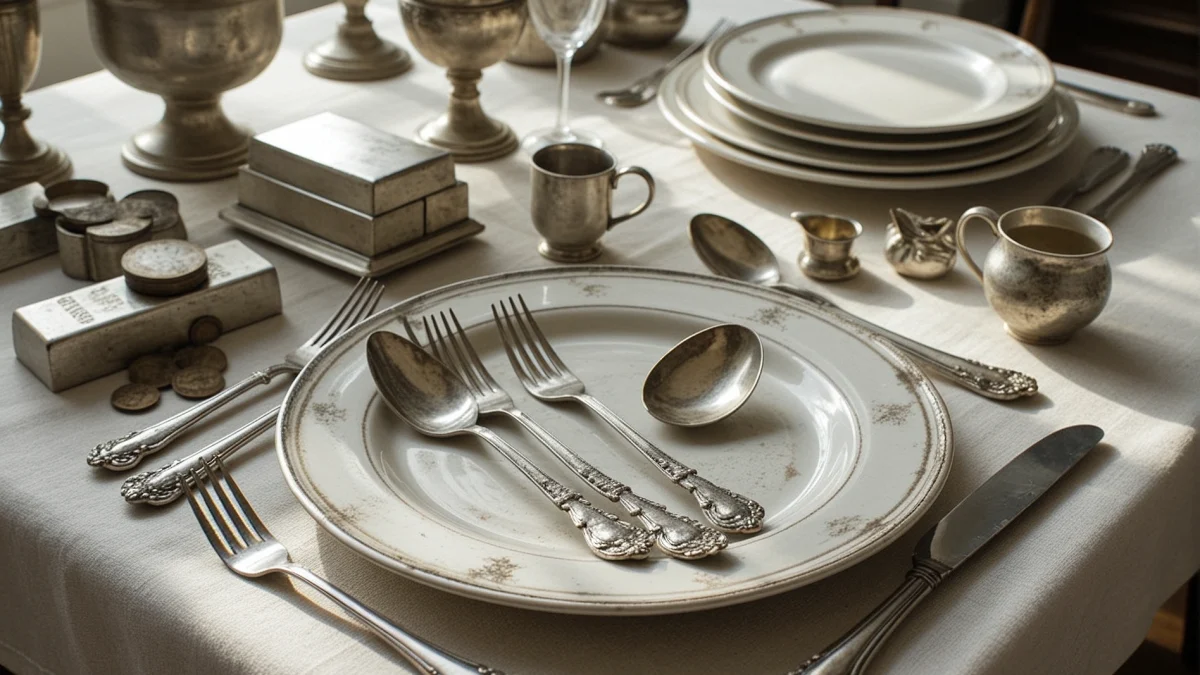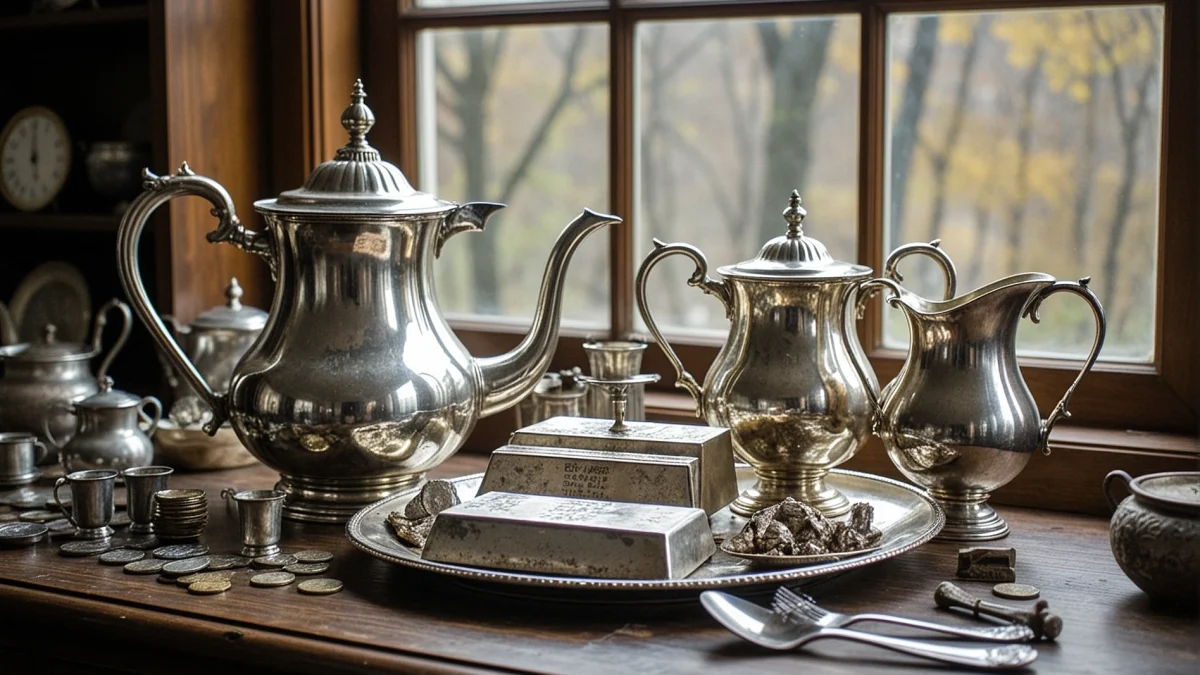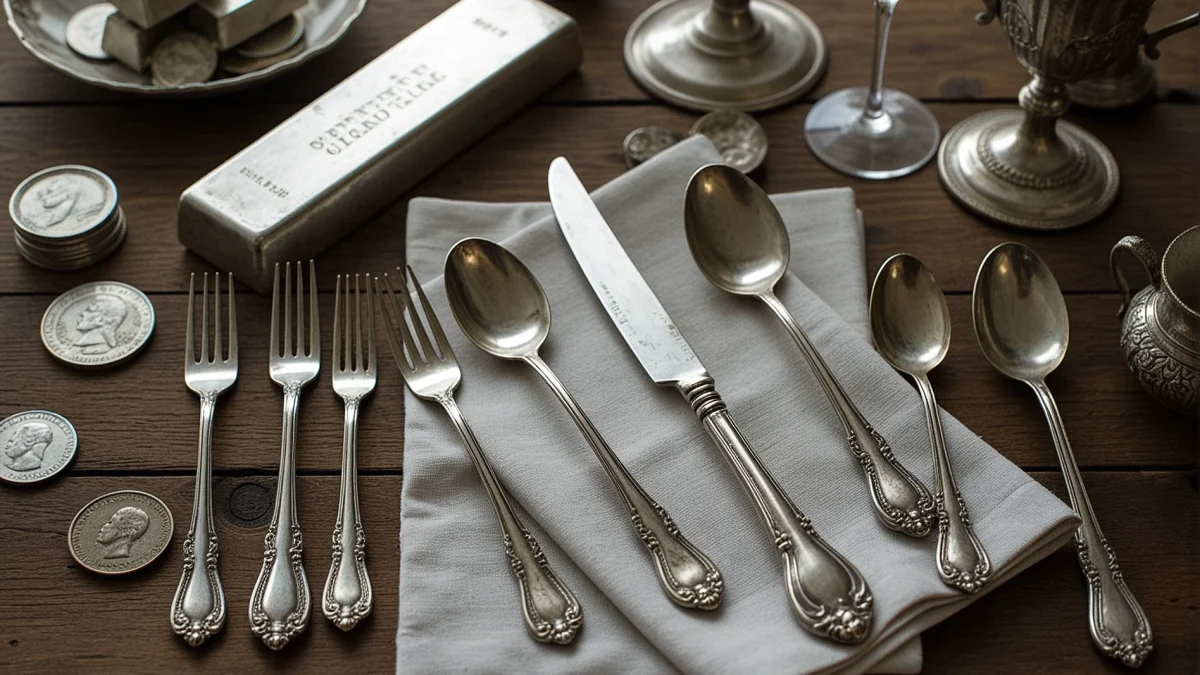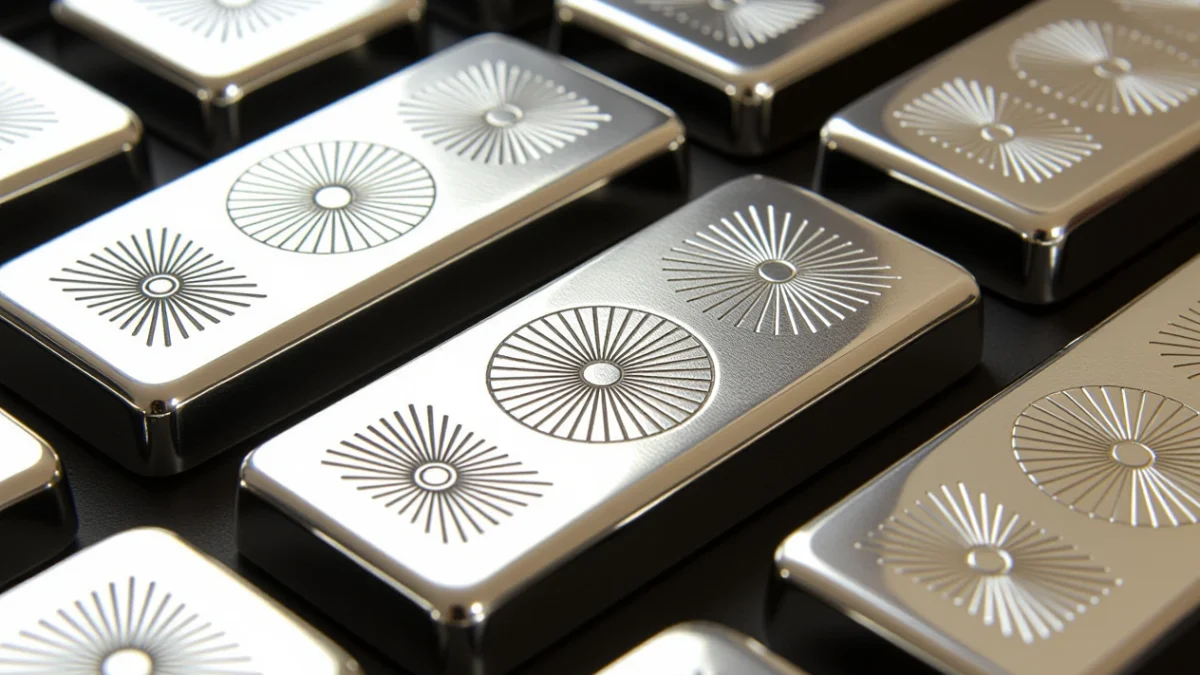
The limited edition art bars, produced from 1971 to 1979, are among the most fascinating pieces of silver dating back to the 20th century. The small rectangle ingots with their original art captured collectors’ imaginations during the silver boom of the 1970s and are still highly prized today for the craftsmanship. These bars emerged during a unique period in American history when silver prices were surging and investors were seeking tangible assets that combined both precious metal content and artistic value. The private mints that produced these bars recognized an opportunity to create something that transcended simple bullion, offering collectors miniature works of art that could be appreciated for both their intrinsic metal value and their aesthetic appeal.
During this era, silver prices experienced unprecedented volatility, climbing from around $1.50 per ounce in the early 1970s to over $50 per ounce by 1980. This dramatic price movement created a perfect storm for the art bar market, as both investors and collectors rushed to acquire these pieces. The bars represented a bridge between traditional numismatic collecting and the growing interest in alternative investments, appealing to a broad spectrum of buyers who might not have considered traditional coin collecting but were drawn to the artistic and historical significance of these miniature sculptures.
Art Bars from the 1970s are a Standout.
These bars are not flatware or tableware. They were designed as mini sculptures. The artists worked with the private mints closely to create high-relief images of wildlife, historic events and patriotic themes. Due to the small production runs, often less than 10,000 coins per design, many designs vanished from the market in a matter of years. The collaboration between artists and mint technicians required careful consideration of how three-dimensional designs would translate to the silver medium, with particular attention paid to how light would interact with the raised surfaces to create dramatic visual effects.
The technical challenges involved in producing these bars were considerable. Each design required multiple strikes to achieve the necessary depth and detail, and the mints had to develop specialized techniques for handling the high-relief surfaces without damaging the intricate artwork. The silver used in these bars was typically .999 fine, representing the highest purity available, which added to their appeal among serious collectors who valued both artistic merit and precious metal content.
The artists who created these designs often came from diverse backgrounds, bringing their unique perspectives to the medium. Some were established sculptors who had previously worked in bronze or marble, while others were engravers who had honed their skills working on coins and medals. This diversity of artistic backgrounds contributed to the wide range of styles and subjects represented in the art bar series, from highly realistic wildlife depictions to more stylized and symbolic representations of historical events.
Key Themes in Design Collectors Look for
- Detail of endangered wildlife
- Western frontier moments, such as the arrival of stagecoaches and life in mining camps
- Liberty Bell and other symbols are used to commemorate the American Bicentennial.
- Seasonal series depicting winter landscapes or holiday imagery
The wildlife designs were particularly popular among collectors, featuring detailed renderings of animals that were either endangered or symbolic of the American wilderness. Artists worked from photographs and field studies to create accurate representations of species like the bald eagle, grizzly bear, and various species of deer and elk. These designs often incorporated natural elements such as trees, mountains, and water features to create complete scenes rather than isolated animal portraits.
The Western frontier themes tapped into a deep vein of American nostalgia, depicting scenes from the nation’s westward expansion. Stagecoach arrivals, mining camp life, and encounters between settlers and Native Americans were rendered with careful attention to historical accuracy. These bars often included subtle details that rewarded close examination, such as period-appropriate clothing, tools, and architectural elements that reflected the time period being depicted.
The Bicentennial celebrations of 1976 provided a rich source of inspiration for art bar designs. The Liberty Bell appeared frequently, often shown with cracks and weathering that told the story of its long history. Other patriotic symbols included the American flag, the Statue of Liberty, and various presidential portraits. These designs often incorporated dates and inscriptions that referenced specific historical events or founding principles of the United States.
Seasonal and holiday-themed bars offered collectors a different type of appeal, with designs that celebrated the changing of the seasons or major holidays. Winter scenes might feature snow-covered landscapes with wildlife or human figures engaged in seasonal activities. Holiday imagery ranged from traditional Christmas scenes to more secular celebrations of the winter season, providing collectors with options that reflected their personal interests and collecting preferences.
The original packaging and its condition
Condition remains paramount. The value of bars that still have their assay cards or protective sleeves can be increased by 30-50 percent. Under strong lighting, collectors look for any hairlines or spots of toning that could affect the appearance as well as the resale price. The original packaging often included certificates of authenticity, information about the artist and mint, and sometimes even small booklets that provided historical context for the designs.
The protective sleeves were typically made of materials designed to prevent tarnishing and physical damage. Over the decades, these materials have sometimes deteriorated or reacted with the silver itself, creating new challenges for collectors who want to preserve both the bar and its original packaging. Some collectors choose to remove bars from deteriorating packaging to prevent further damage, while others prefer to maintain the original presentation regardless of condition issues.
Assay cards provided crucial information about the silver content, purity, and sometimes the specific production details for each bar. These cards often included serial numbers that could be matched to the bars themselves, providing additional provenance and authenticity verification. The condition of these cards, including any staining, creasing, or fading, can significantly impact the overall value of the packaged set.
Market trends and value drivers
Recent auctions show the value of low-mintage bar designs featuring artists like Frank Gasparro and Franklin Mint engravers has steadily increased. Nevada mining themes and other regional pieces, such as those depicting Nevada’s history, are attractive to buyers interested in Western silver heritage. The market has seen particular strength in designs that combine artistic merit with historical significance, especially those that document specific events or locations that have personal meaning to collectors.
The collector base for art bars has evolved over the decades, with new generations discovering these pieces through online marketplaces and specialized collecting communities. Social media has played a significant role in connecting collectors and sharing information about rare designs and market trends. Online forums and discussion groups have become important resources for both new and experienced collectors seeking to expand their knowledge and collections.
Regional themes have gained particular traction among collectors who have personal connections to the areas depicted. Nevada mining history bars appeal not only to those interested in Western heritage but also to collectors who may have family connections to the mining industry or who simply appreciate the rugged individualism associated with frontier life. Similar regional themes from other states and territories have also found dedicated collector bases.
The investment aspect of art bar collecting has become more sophisticated, with collectors researching production figures, artist backgrounds, and historical significance before making purchases. Some collectors focus on completing sets from specific mints or artists, while others seek out individual pieces that represent particular themes or time periods. The market has developed a hierarchy of desirability based on factors such as rarity, condition, artistic quality, and historical significance.
Recommendations for General Use
Visit the American Numismatic Association website, Professional Coin Grading Service’s price guide and Smithsonian American Art Museum Online Collections for more information. These resources provide valuable information about market values, authentication services, and the broader context of American art and numismatic history. Additionally, specialized collecting organizations and online communities offer opportunities to connect with other enthusiasts and learn from their experiences and expertise.
Building a collection of vintage silver art bars requires patience, research, and attention to detail. Collectors should develop relationships with reputable dealers who specialize in these pieces and can provide guidance on authenticity and fair market values. Understanding the factors that influence value, such as condition, rarity, and artistic merit, is essential for making informed purchasing decisions and building a collection that will provide both enjoyment and potential investment returns over time.